
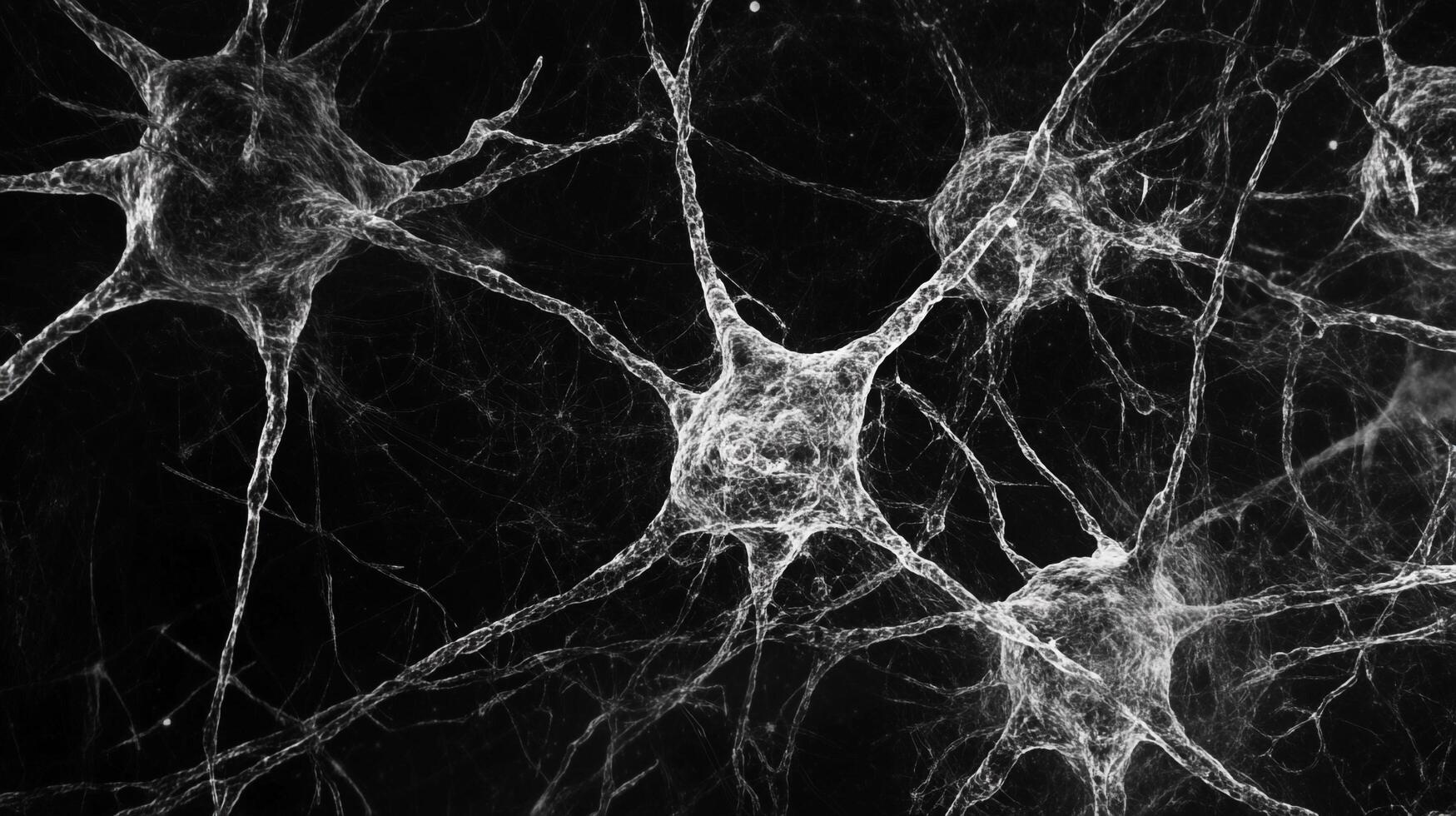
Researchers at the University of Cambridge built tiny, lab‑grown versions of the human brain and spinal cord. These mini‑systems act like a simple nervous system that can send movement signals.
Using this model, they found that nerve damage—once thought to be permanent—can sometimes heal.
How Nerves Grow
When a baby develops, neurons form long fibers called axons. Axons carry messages from the brain to muscles, letting us move.
As we grow older, the central nervous system loses the ability to grow new axons. Injuries to the brain or spinal cord often stay forever, causing paralysis or loss of motion. This limited growth is also linked to diseases like motor neurone disease and multiple sclerosis.
Mini‑Human Brain and Spinal Cord Models
In 2021, Dr. Andrés Lakatos and his team made tiny brain organoids from patient stem cells. These pea‑sized clumps mimicked parts of the brain’s cortex and helped study motor‑neurone disease.
Now, they connected those brain organoids to spinal‑cord organoids. The two were kept apart, but axons from the brain grew across a gap and linked to the spinal cord. The new circuit could even make tiny muscle clusters contract.
When Regrowth Stops
The researchers kept the mini‑systems alive for more than a year. They saw that up to about day 150—a stage similar to the middle of pregnancy—damaged axons could still grow back. After that, growth dropped sharply.
Looking at gene activity, they discovered a network that acts like a switch, turning off axon growth as neurons mature. When they blocked key genes in this network, the neurons started to grow axons again.
A Common Drug Helps Nerves Grow
The team searched a drug database for compounds that affect the gene switch. One candidate was lynestrenol, a hormone drug used for menstrual issues.
Testing lynestrenol on damaged neurons showed a big boost in axon regrowth. While the drug alone may not fix spinal‑cord injuries, it proves that directly targeting human neurons can restart growth.
Why Organoids Matter
Organoids are tiny, three‑dimensional cell clusters that behave like real human organs. They give scientists a better view of human biology than animal models, which often act differently.
Dr. Lakatos says these organoids help close the gap between mouse experiments and real patient outcomes, and they also reduce the need for animal testing.
Cambridge researchers are now using organoids for many projects, such as fixing damaged livers, studying childhood Crohn’s disease, and exploring early pregnancy.
The work was supported by the UK Research and Innovation Medical Research Council and Spinal Research.