
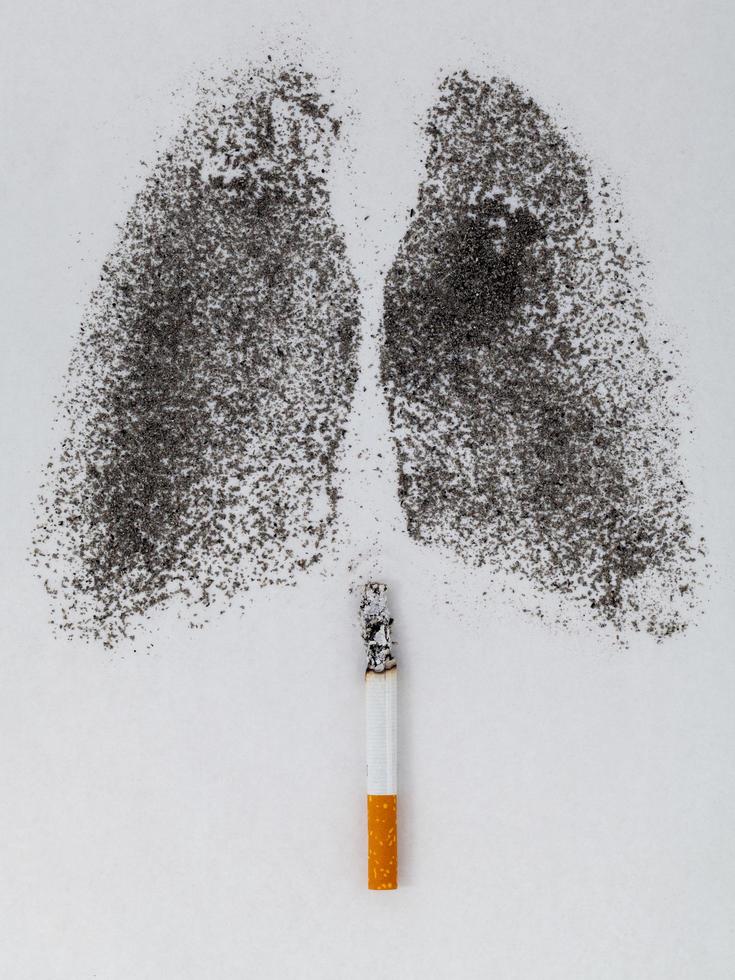
Scientists at the University of Virginia found that very bad cases of COVID‑19 or the flu can leave the lungs in a state that helps cancer grow later on. They also discovered that getting vaccinated can stop many of these harmful changes.
How Bad Infections Change the Lungs
Researchers led by Dr. Jie Sun studied mice and people who had been in the hospital with severe lung infections. The animals that survived a strong infection later developed more lung tumors and died sooner. When the team looked at patient records, they saw the same pattern: people who were hospitalized for COVID‑19 were more likely to be diagnosed with lung cancer.
The risk went up by about 24 % compared with people who had never been in the hospital for the virus. This higher risk showed up even in people who never smoked and had no other health problems.
What Happens Inside the Lungs?
Severe infections mess with two important immune cells—neutrophils and macrophages. After a bad bout of illness, some neutrophils start acting oddly and keep the lung tissue inflamed. This “pro‑tumor” environment can help cancer cells grow. The lining cells of the air sacs also change in ways that favor tumor development.
Vaccines Can Guard the Lungs
People who received a vaccine before getting sick showed far fewer of these dangerous lung changes. In the study, only those with severe COVID‑19 had a higher cancer risk; those with mild illness actually had a slightly lower risk.
What Doctors Should Do
Doctors may need to watch patients who recover from serious viral pneumonia more closely. Regular low‑dose CT scans could catch early tumors, especially in smokers or anyone with a history of a severe infection.
Why This Matters
Millions of people worldwide have long‑term lung problems after COVID‑19. Knowing that severe infections can raise cancer risk gives doctors a reason to recommend vaccination not just to avoid hospital stays, but also to protect against future cancers.
Future Directions
The research team hopes their findings will lead to new ways to prevent or treat lung cancer that starts after a viral infection. They also plan to study how vaccines might reduce the “immune scarring” that encourages tumor growth.