
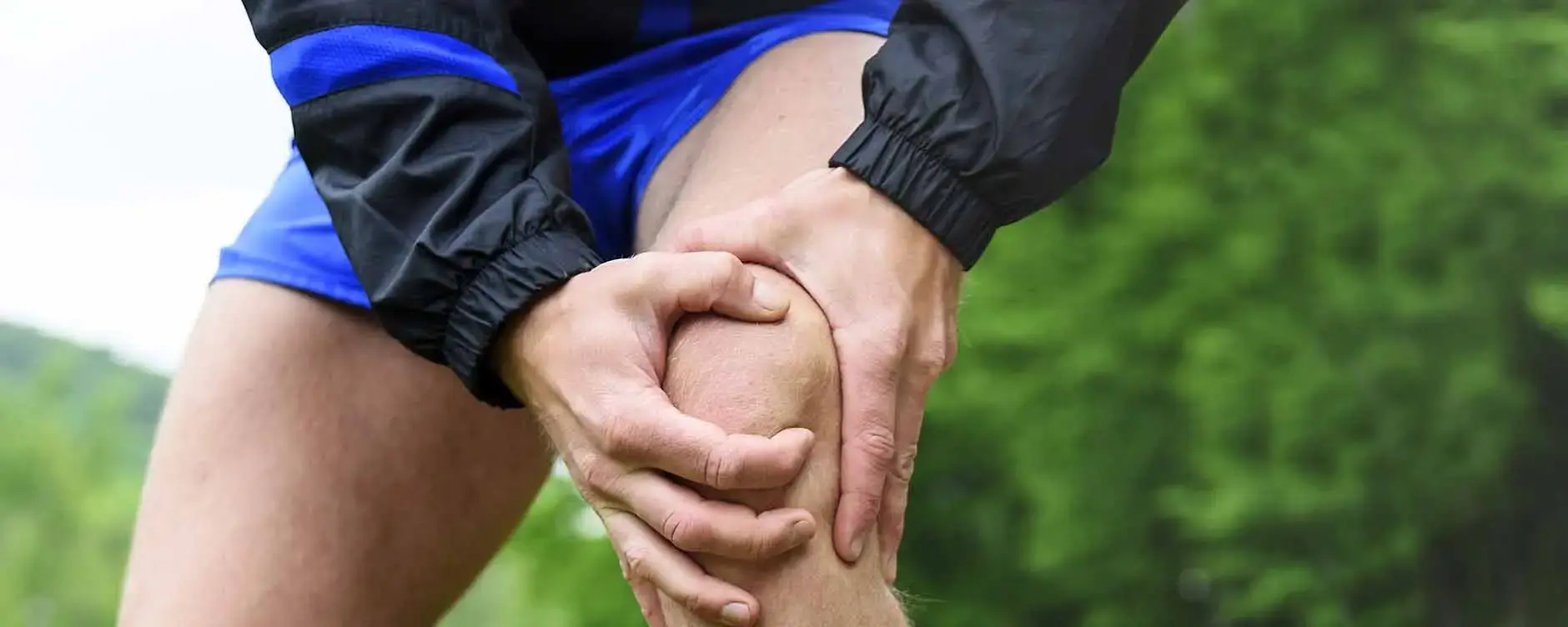
When it comes to injuries, the knee takes the spotlight. It bears the weight of our bodies, twists, bends, and endures constant impact, making it a frequent source of aches and strains. From sudden twists on the sports field to the gradual wear that comes with age, knee discomfort can arise in many ways.
What Triggers Knee Discomfort?
- Acute injuries: Sprains, ligament tears (like the ACL), and meniscus damage often happen during high‑impact activities or awkward landings.
- Degenerative wear: Over time, cartilage thins, leading to osteoarthritis—a common cause of chronic knee pain in adults.
- Inflammatory conditions: Rheumatoid arthritis or gout can inflame the joint, resulting in swelling and stiffness.
- Infections: Though rare, bacterial infections inside the joint space can cause severe pain and fever.
Signs That Your Knees Need Attention
Listen to the signals your body sends. Persistent dull ache, sharp stabbing sensations during movement, swelling, reduced range of motion, or a feeling of instability are all red flags. If any of these symptoms linger for more than a week, consider a professional evaluation.
Everyday Habits for Stronger Knees
- Maintain a healthy weight: Every extra pound adds roughly four pounds of pressure on each knee during daily activities.
- Strengthen surrounding muscles: Strong quadriceps, hamstrings, and glutes absorb shock and protect the joint. Simple exercises like squats, lunges, and bridges are effective.
- Stay flexible: Gentle stretching of the calves, IT band, and hip flexors helps preserve proper knee alignment.
- Choose supportive footwear: Shoes with adequate cushioning and arch support reduce impact forces.
- Warm up before activity: A brief warm‑up increases blood flow and prepares the joint for movement.
Targeted Exercises to Ease Knee Pain
Below are three low‑impact moves that can be performed at home or in a gym setting. Perform each for 10‑15 repetitions, two to three times a week.
- Wall sits: Slide down a wall until thighs are parallel to the floor; hold for 20‑30 seconds.
- Straight‑leg raises: Lie on your back, keep one leg bent, lift the other straight up, then lower slowly.
- Heel slides: While seated, slide your heel toward your buttocks, then straighten; repeat gently.
When to Seek Professional Help
If pain interferes with daily activities, is accompanied by swelling, locking, or sudden loss of motion, schedule a visit with a healthcare provider. Imaging tests such as X‑rays or MRI may be necessary to pinpoint the issue.
Bottom Line
Our knees are built to move, but they also need care. By understanding the root causes of pain, adopting protective habits, and incorporating targeted exercises, you can keep your joints healthy and stay active for years to come.