
Assisted Reproduction Overview
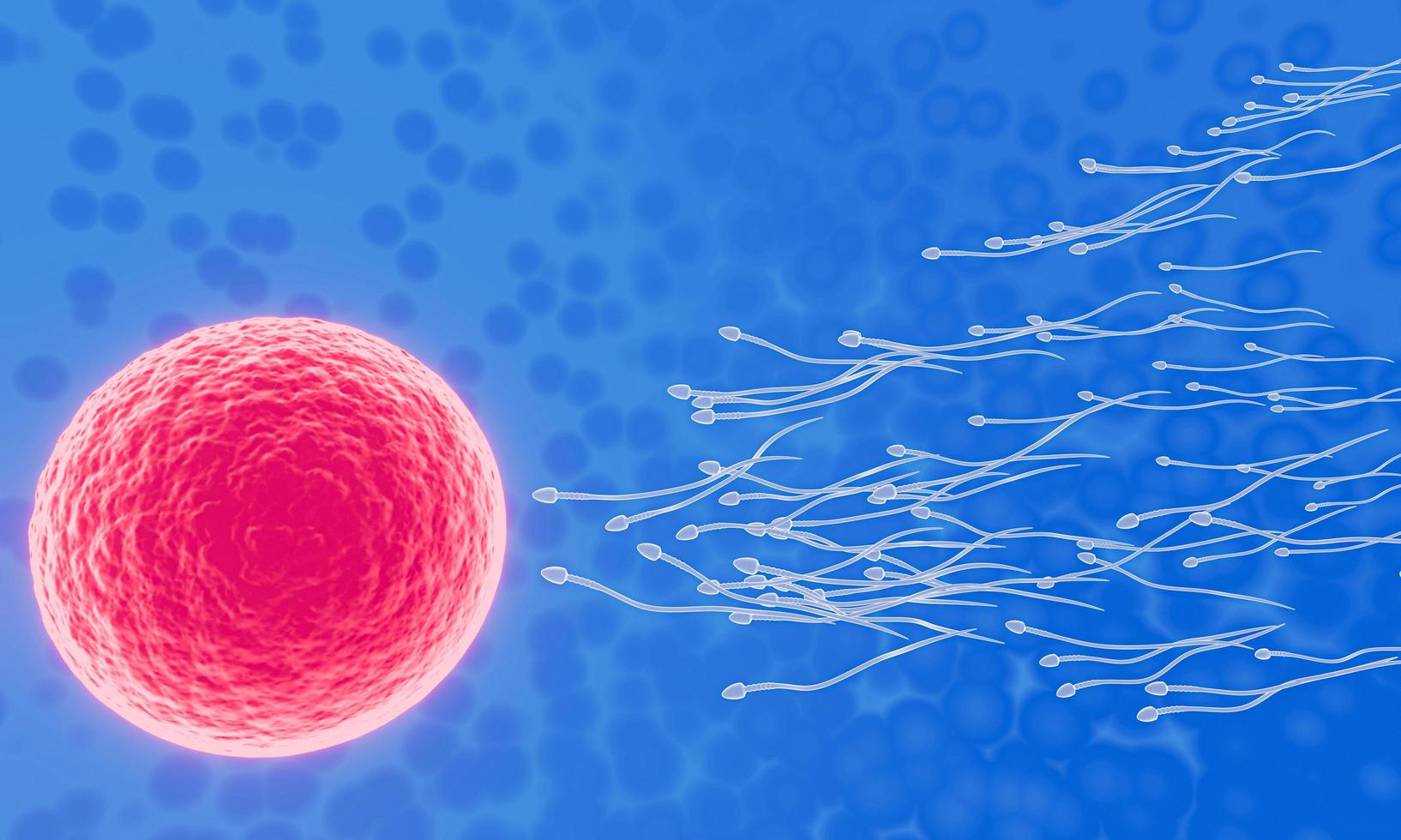
Assisted reproduction encompasses a group of medical procedures designed to help couples conceive when natural conception proves difficult. Today, roughly one in five couples face infertility; about a third of those cases stem from female factors, another third from male factors, and the remainder involve a combination of both.
These services are typically offered in private fertility centers and can involve significant financial investment.
Key Assisted‑Reproduction Techniques
Artificial Insemination
This method places specially prepared sperm directly into the uterus during a woman's ovulation window. The sperm sample—either from the partner or a donor—is concentrated to maximize the number of motile cells. Before insemination, doctors often stimulate the ovaries to produce one or two mature eggs, creating the optimal timing for fertilisation.
Artificial insemination is recommended for unexplained infertility, low sperm count or motility, anovulatory cycles, cervical mucus issues, and also for single women or lesbian couples wishing to conceive.
Egg Freezing (Oocyte Cryopreservation)
Egg freezing allows a woman to preserve her eggs for future use, whether for career planning, personal reasons, or to protect fertility before undergoing cancer treatment. The process includes:
- Initial assessment: Hormonal tests (AMH, FSH) and a trans‑vaginal ultrasound gauge the ovarian reserve.
- Ovarian stimulation: Daily hormone injections for 10–14 days encourage several follicles to grow, with regular monitoring.
- Egg retrieval: Once follicles reach the appropriate size, a thin needle guided by ultrasound extracts the eggs.
- Vitrification: The collected eggs are flash‑frozen for long‑term storage.
In‑Vitro Fertilisation (IVF)
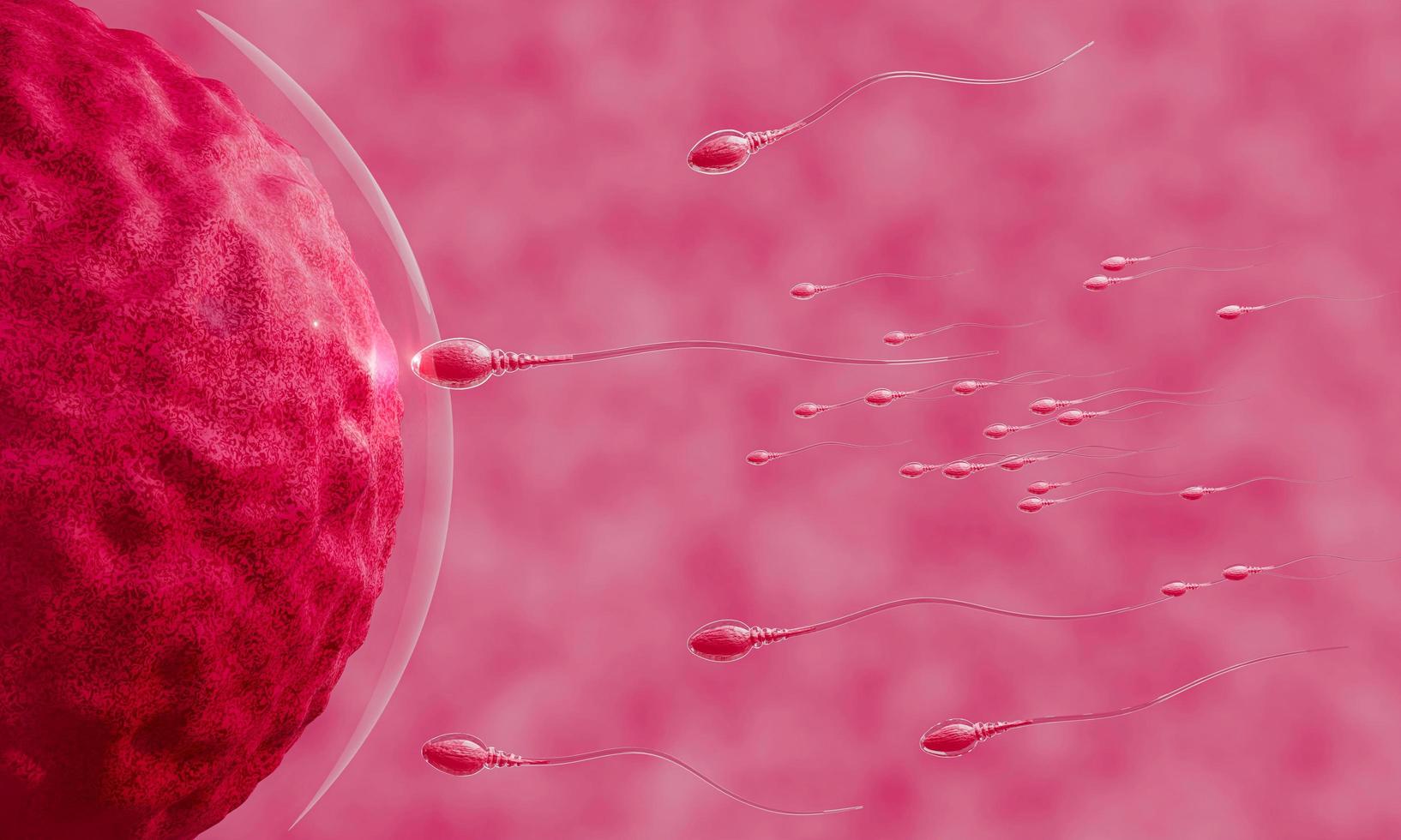
IVF begins with a controlled ovarian stimulation protocol lasting about two weeks, followed by careful monitoring to pinpoint the ideal moment for egg collection. After retrieval, the eggs are fertilised in the laboratory using either conventional sperm insemination or intracytoplasmic sperm injection (ICSI) when sperm quality is a concern.
Resulting embryos develop in specialised incubators that mimic the uterine environment. Embryologists select the most viable embryo for transfer, typically on day five of development, and place it into the woman's uterus. Pregnancy is confirmed 10–14 days later with a blood test.
In some cases, donor eggs or donor sperm are incorporated to increase the chances of success.
Pre‑implantation Genetic Testing (PGT) may be performed on a few embryonic cells to screen for chromosomal abnormalities, ensuring only genetically healthy embryos are transferred.
Oocyte Donation
Oocyte donation involves using eggs from a screened, anonymous donor. The recipient undergoes the same stimulation and retrieval steps, but the fertilisation uses the donor’s eggs. This option is suited for women of advanced reproductive age, those with premature ovarian failure, poor response to stimulation, multiple IVF failures, or recurrent miscarriages.
Surrogacy (Gestational Carrier)
In surrogacy, a woman (the gestational carrier) carries a pregnancy created from the intended parents’ genetic material—or from donor gametes—after IVF. The surrogate has no genetic link to the baby. This pathway is useful when the intended mother cannot safely carry a pregnancy due to uterine issues, health risks, or for same‑sex male couples and lesbian couples wishing to have a child genetically related to one partner.
Note: Commercial surrogacy is not legally approved in Spain.
Embryo Adoption
Embryo adoption allows a couple to receive surplus embryos from another IVF cycle and implant them into the uterus. Because the embryos are already created, the process tends to be less expensive and often yields higher success rates compared with a fresh IVF cycle.
