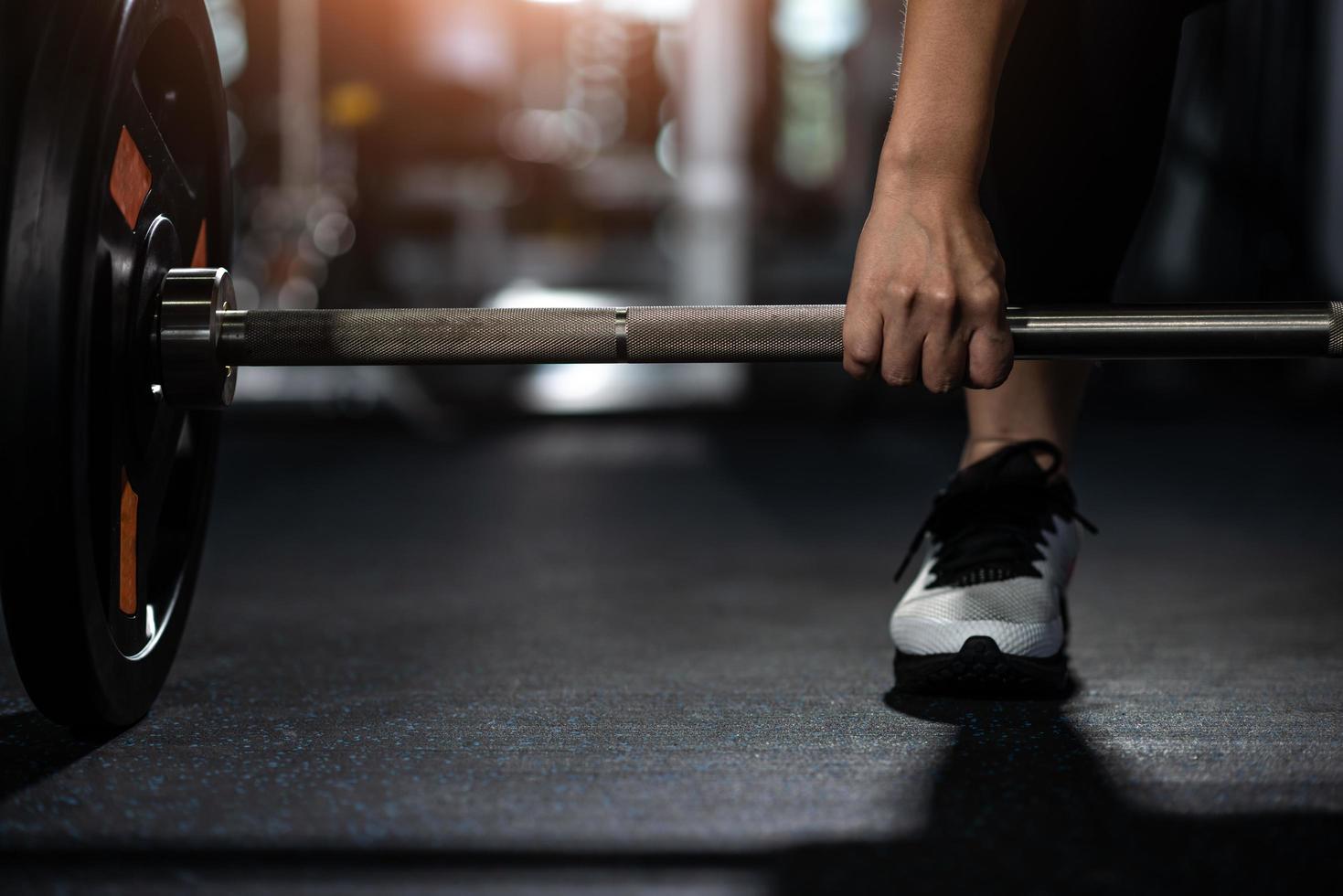
People often think strength training is only for building big muscles or looking good. Recent science tells a different story. Even a modest amount of weight lifting can help you live longer.
What the Study Looked At
Scientists combined data from three long‑term U.S. health studies. Together, the studies followed about 150,000 nurses and other health workers for up to three decades. Every few years participants reported how many minutes they spent on strength training and on aerobic activities such as walking, cycling or swimming. During the 30‑year span, roughly 36,000 participants died, giving researchers a way to see how exercise related to mortality.
The Sweet Spot for Strength Training
The best result came from people who did about 90 to 120 minutes of strength work each week – roughly one and a half to two hours. Those folks had about a 13 % lower chance of dying from any cause compared with people who did none.
The biggest benefits were seen for two leading killers:
- Heart disease and stroke risk dropped by 19 %.
- Neurological diseases, mainly dementia, fell by 27 %.
Doing more than two hours a week did not lower risk any further.
Adding Aerobic Exercise Boosts the Effect
People who also met the usual recommendation for moderate aerobic activity – about 150 minutes a week – saw an extra drop in risk. Aerobic exercise alone cut death risk by 26 % to 43 %. When the two were combined (150 minutes of aerobic + 1‑2 hours of strength), the overall risk fell by roughly 45 %.
For cancer‑related deaths, only a smaller amount of strength work (under one hour per week) showed a benefit.
Why Muscles Matter for Longevity
Muscle tissue is a powerhouse for metabolism. After a meal, most of the sugar in the blood is taken up by muscles, where it is burned for energy or stored as fuel. This helps keep blood‑sugar levels steady and lowers the chance of type 2 diabetes – a major driver of heart disease.
When muscles contract, they release special proteins called myokines. These messengers calm low‑grade inflammation, which is linked to many chronic illnesses. Myokines also talk to the liver, fat tissue, blood vessels, bones and even the brain, telling them to work more efficiently.
Regular resistance training can also lower blood pressure and keep arteries flexible, protecting the heart and circulation.
Grip strength – how hard you can squeeze something – is a quick test that predicts overall mortality better than many medical measures. Strong muscles also mean fewer falls, fewer fractures, and more independence as we age.
Brain Benefits and Limits of the Study
Early evidence suggests that strength work may improve brain health and lower dementia risk, which may help explain the 27 % drop in deaths from neurological disease seen in the study.
It is important to remember that the research was observational. It shows a strong link, but it cannot prove that weight lifting directly causes a longer life. Participants who exercised might also have healthier diets, not smoke, or have other good habits.
Practical Takeaway
You don’t need a gym membership or heavy barbells. Two short sessions each week that work all the major muscle groups, paired with daily walking, jogging, cycling or swimming, are enough to reap big health rewards.