
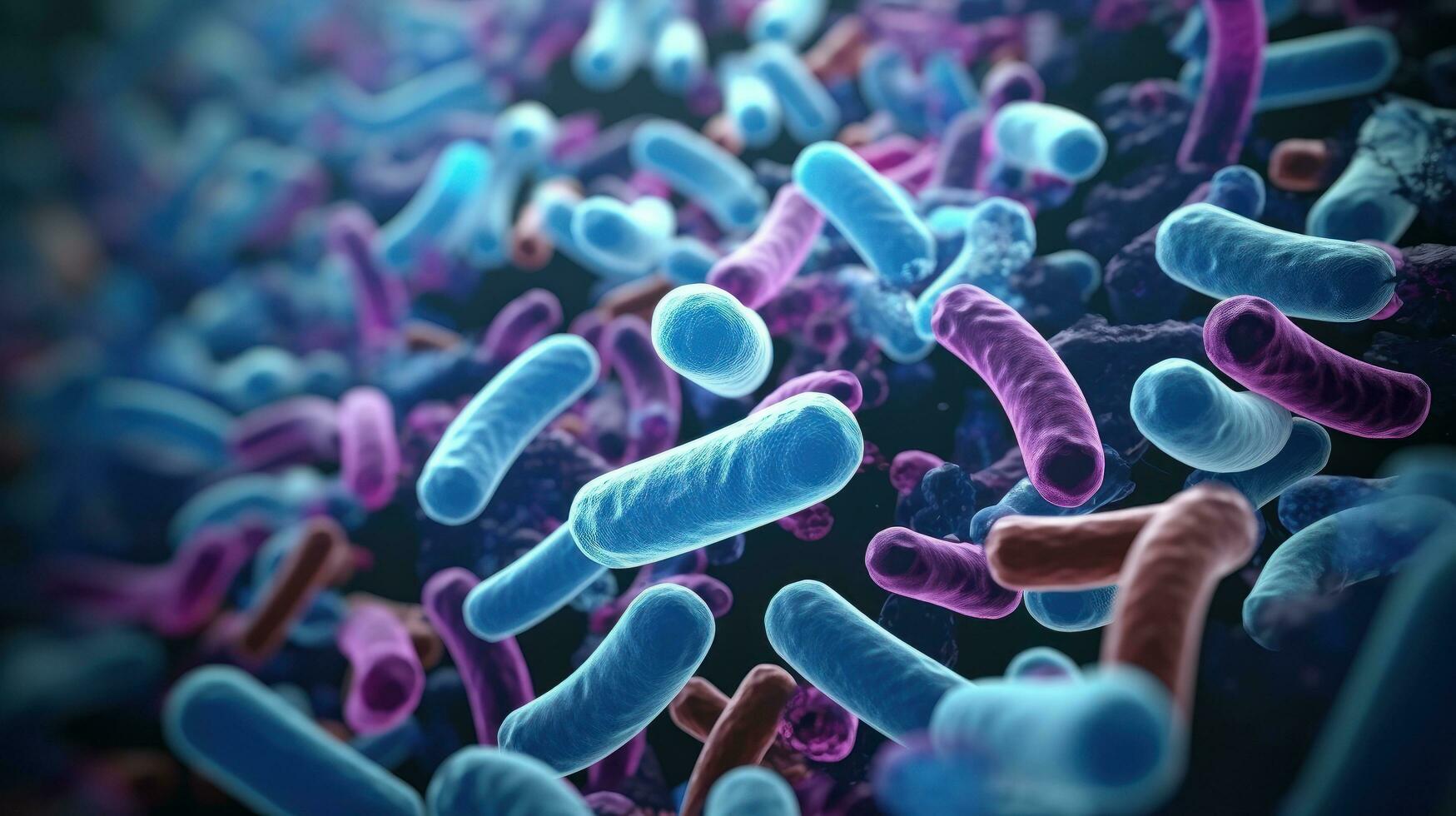
Eating more plants helps your body in many ways. It supports your gut, immune system, metabolism, and heart. One big reason is that plant foods feed the good bacteria that live in your intestines.
Scientists know that fiber from plants feeds these microbes. Plants also contain colorful chemicals called phytochemicals that protect the plant and may help people, too. Researchers are still learning exactly how gut microbes break down plant foods and turn them into health‑boosting chemicals.
Two recent studies from Princeton’s Ludwig Institute give fresh clues. The first paper appeared in the Proceedings of the National Academy of Sciences. The second was published in Nature Metabolism in June. Together they show how plant fiber and a special class of plant proteins change what gut bacteria make.
How Plant Foods Change Gut Chemicals
In the PNAS study, the team looked at phenol chemicals made by gut bacteria. When bacteria break down the amino acids tyrosine and phenylalanine, they create different phenols. Some are good for health, others are not.
Phenylpropionate and hippuric acid come from phenylalanine. They are linked to a healthy gut and normal body weight. In contrast, p‑cresol sulfate and phenol sulfate are made from tyrosine and have been tied to worse outcomes in cancer patients and kidney disease.
The researchers discovered that both plant fiber and “protein‑like‑fiber” (they call it Prif) push the balance toward the good phenols and away from the bad ones.
What Is Prif?
Prif stands for indigestible plant proteins that act like fiber. While fiber’s health benefits are well known, these proteins have been studied much less. The scientists found that gut microbes can break down Prif, and doing so changes both the makeup of the microbiome and the chemicals the host produces.
When Prif is paired with regular fiber, it encourages bacteria to make more helpful phenols.
Where Do the Bad Chemicals Come From?
To track the source of each chemical, the team labeled proteins with stable isotopes and followed them in mouse guts. They saw that the harmful phenols appeared when bacteria ate proteins that came from the host itself – including the mucus that lines the gut.
By contrast, the beneficial phenols mostly came from the diet’s Prif. Fiber also reduced the bacteria’s chewing of the gut’s mucus, which further lowered the bad phenols.
“Prif could become a new food label, right after fiber,” said Rabinowitz.
Are All Gut Chemicals Made by Bacteria?
The second study, in Nature Metabolism, asked the same question about indole chemicals, which are made from the amino acid tryptophan. Indoles have been linked to many diseases, such as inflammatory bowel disease, brain disorders, and cancer.
People have assumed that gut microbes are the only source of these indoles. Using isotope tracing in mice, rats and human cells, the researchers found that the body’s own metabolism can also create many indole and phenol chemicals.
Even after giving mice antibiotics that wipe out most gut bacteria, the levels of body‑made indoles stayed high. The same pattern showed up in patients who were on antibiotics.
What This Means for Diet and Health
These two studies together paint a clearer picture of how plant foods, fiber, and Prif guide the gut’s chemistry. Knowing which foods boost helpful chemicals and cut harmful ones could help doctors design better diet plans, probiotic mixes, or even medicines.
“Understanding how foods steer the microbiome will sharpen the advice nutritionists give for disease prevention and treatment,” Rabinowitz added.
Funding was provided by the Ludwig Institute for Cancer Research, NIH, NIDDK, Princeton Alliance for Collaborative Research and Innovation, and Princeton University.