
Air Pollution and Arthritis Flare‑Ups
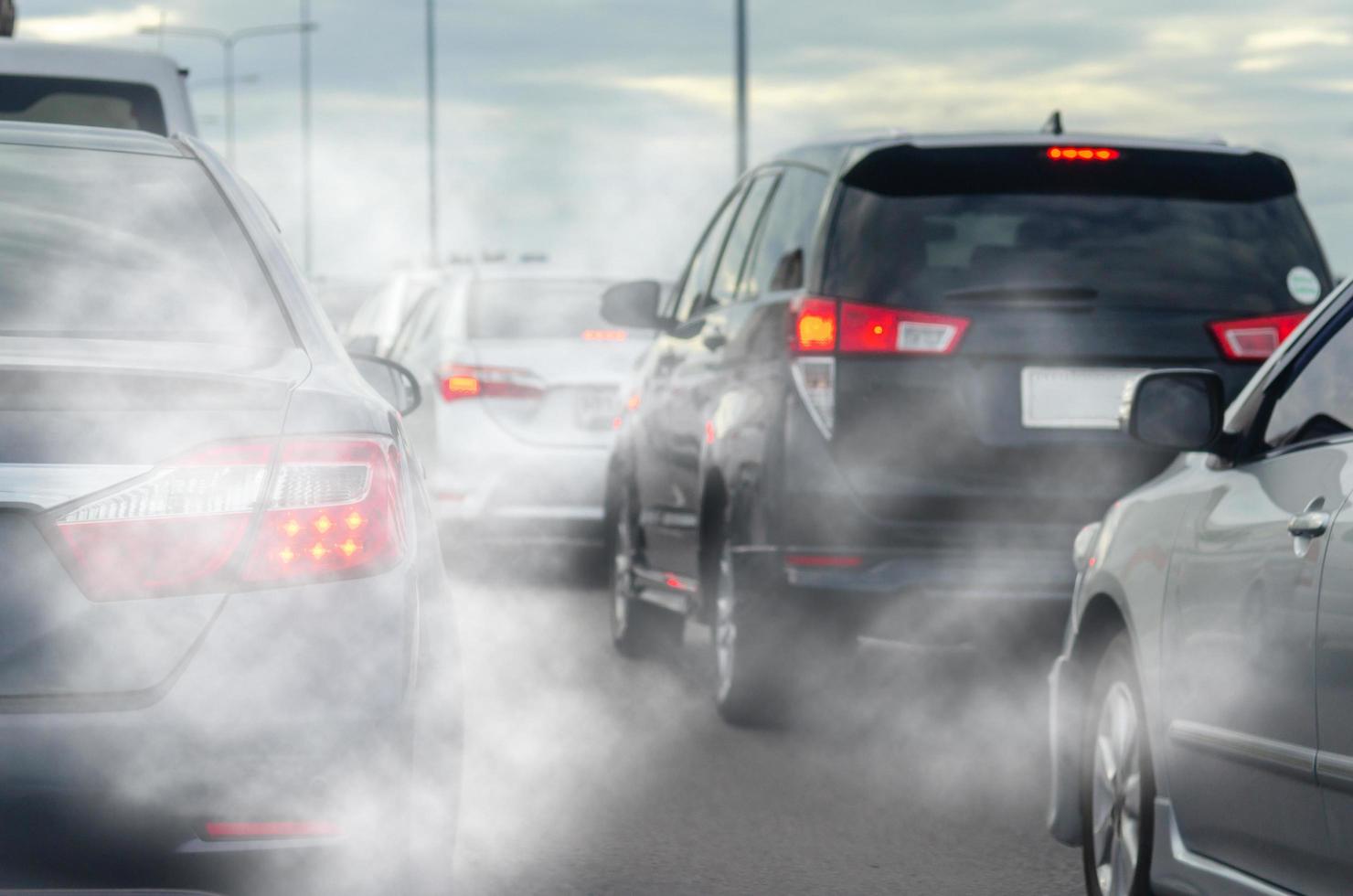
Scientists have found that dirty air can make rheumatoid arthritis (RA) more active. The strongest link was with tiny particles called PM2.5 that come from dust, soot and smoke.
Why This Matters
The study appeared in the Annals of the Rheumatic Diseases. It tells doctors and policy makers that breathing poor‑quality air may worsen RA symptoms.
What Is Rheumatoid Arthritis?
RA is a long‑lasting disease where the immune system attacks the joints. It can cause swelling, pain and damage. About 0.5‑1% of adults worldwide have RA.
The disease starts because of genes, immune changes, and things in the environment. Some of those environmental factors, like smoking, can be changed to help patients.
Looking at Air Quality
Earlier studies suggested that living in polluted places raises the chance of getting RA. Researchers in South Korea wanted to see if dirty air also makes the disease flare for people who already have it.
How the Study Was Done
More than a thousand RA patients visited a hospital in South Korea over four years. The team recorded 12,583 clinic visits and matched each visit with the level of six common air pollutants measured each month.
The pollutants studied were sulfur dioxide (SO₂), nitrogen dioxide (NO₂), ozone (O₃), carbon monoxide (CO), PM10 and PM2.5. The scientists also considered age, blood test results, medicines, income, weather and many other factors.
PM2.5 Stands Out
Higher levels of PM2.5 were linked to stronger disease activity and more flare‑ups, especially when exposure lasted more than two weeks.
These particles are extremely small—smaller than a red blood cell. After we breathe them in, they can move from the lungs into the bloodstream and travel around the body.
Researchers think PM2.5 may cause the body to produce extra “reactive oxygen species,” which are harmful molecules that stress cells, damage DNA and trigger inflammation.
What This Means for Patients
The lead doctor, Dr. Eun Bong Lee, says the findings suggest that people with RA should try to avoid staying in places with high PM2.5 for long periods.
While more research is needed to prove that cleaner air can lower RA activity, limiting exposure to bad air is a simple step that might help keep joints calmer.
Future Directions
Experts note that the study focused on a Korean group with a specific genetic background. Future work should check if the same pattern appears in other parts of the world.
Overall, the research reminds us that the environment plays a big role in joint pain and inflammation.