
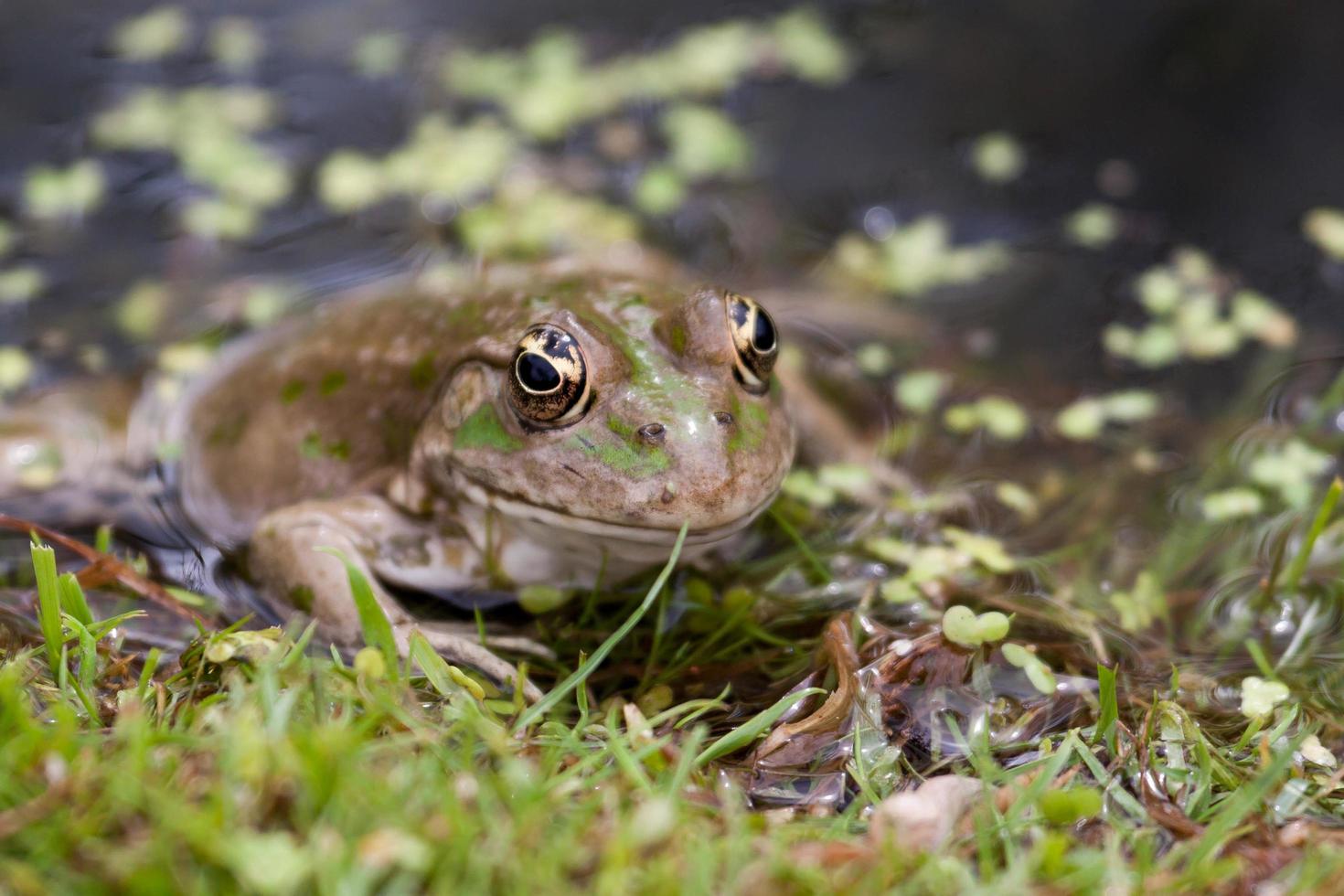
Scientists have learned why some frogs and toads can bounce back after a terrible skin fungus wipes out many of their friends.
What the Fungus Does
The fungus called Batrachochytrium dendrobatidis (or Bd) attacks the skin of adult amphibians. It stops them from drinking, breathing, and keeping the right balance of water and salts. This disease is called chytridiomycosis.
Young frogs and tadpoles are mostly safe because they do not have the hard, keratin‑rich skin that the fungus needs to eat. When they grow into adults, their skin changes, and the fungus can attack.
Studying Toads in the Pyrenees
Researchers looked at common midwife toads living around four lakes in the French‑Spanish Pyrenees. All lakes had bad Bd outbreaks.
One lake still had very few toads left. The other three lakes showed strong toad recoveries even though the fungus was still in the water.
Early Immune Defenses Matter
The scientists focused on tiny proteins called antimicrobial peptides. These peptides are made in the skin and act like natural antibiotics.
Toads that recovered started making these peptides while they were still tadpoles. By the time they grew up, their immune system was already ready.
Toads that kept dying made far fewer peptides during the tadpole stage, so they were not prepared when they became adults.
Lots of New Peptides Discovered
Using a technique called mass spectrometry, the team counted 1,152 different skin peptides. Only seven of those had ever been known before.
Tadpoles with many different peptides survived the fungus better. Groups with only a few peptides kept losing many individuals.
Why This Matters for People
Many medicines, like penicillin, originally came from nature. The new peptides could become clues for new drugs, especially as bacteria become resistant to old antibiotics.
The study was funded by the UK’s Natural Environment Research Council and the Leverhulme Trust.