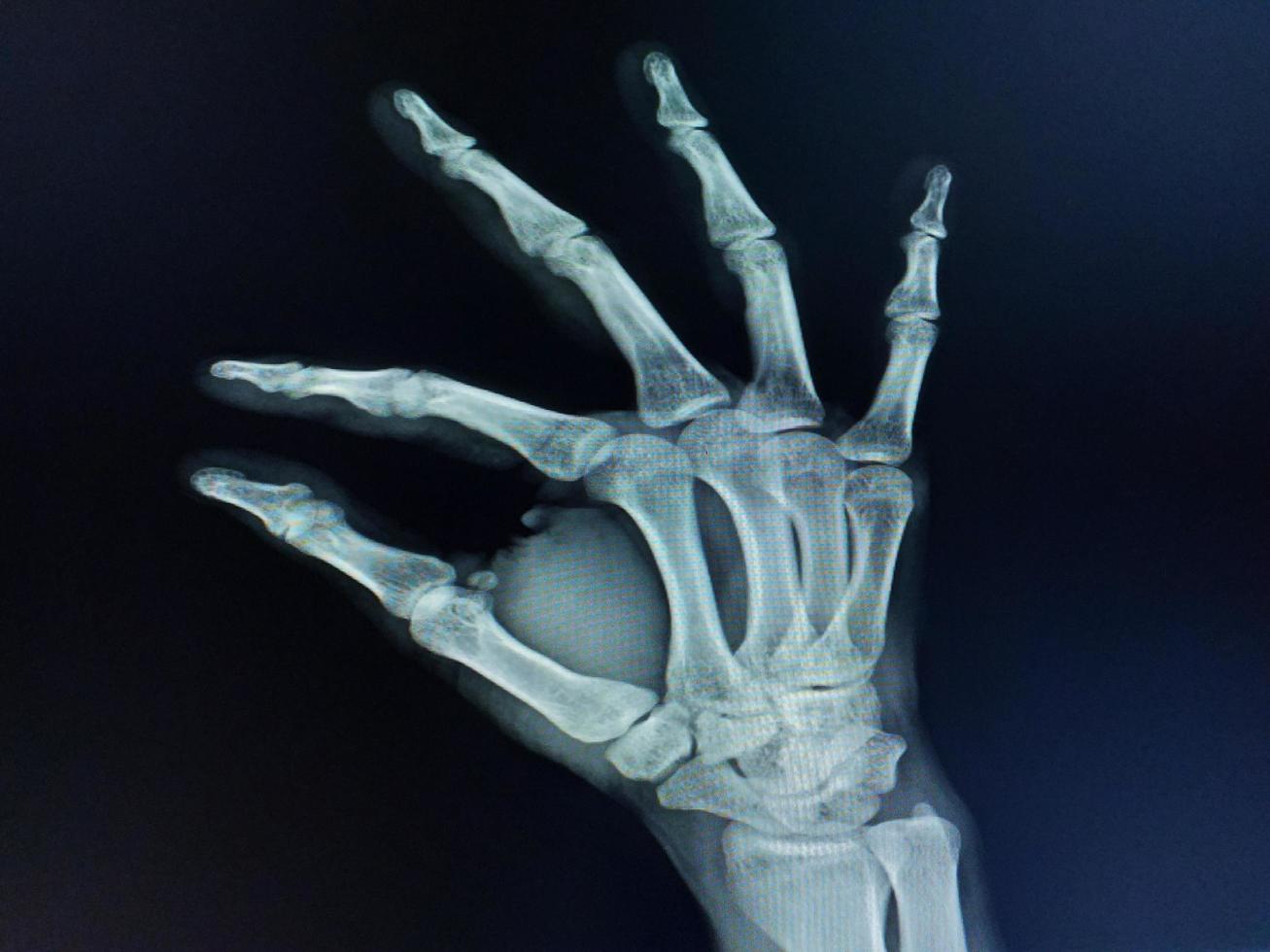
About four out of ten adults around the world have osteopenia. This means their bones are a bit weaker because they contain less mineral. The problem is most common in women after menopause and in older people. In the UK alone, more than half a million broken bones each year are linked to low bone strength.
Osteopenia usually has no clear signs. Most people discover it only after a fracture or when a doctor orders a bone‑density test because of age or other risk factors. That makes it a hidden but important public‑health issue.
How Bones Change Over Time
Bones are living tissue. They constantly break down old material and build new material – a process called bone remodeling. When you are a young adult, the two parts are balanced, and bone mass peaks around the mid‑20s to early‑30s.
After that peak, the breakdown part starts to win a little more often than the building part. Over the years this leads to lower bone density.
Things That Speed Up Bone Loss
Getting older is the biggest reason for losing bone, but several other factors make it happen faster.
- Hormones: After menopause, estrogen levels drop. Estrogen helps keep bone breakdown slow, so its loss can double the chance of a fragile fracture for women over 50.
- Lifestyle: Smoking, drinking too much alcohol, and not moving enough all hurt bone strength.
- Nutrition: Not eating enough calcium or getting enough vitamin D limits the body’s ability to build strong bones.
- Medications & health conditions: Long‑term use of steroids, or diseases like Crohn’s or coeliac disease, can also lower bone density.
Finding Osteopenia Early
The most common way to check bone health is a DXA scan – a quick, low‑dose X‑ray that measures bone mineral density. The result is shown as a T‑score. A score between –1.0 and –2.5 means osteopenia; below –2.5 means osteoporosis.
Ways to Keep Bones Strong
When osteopenia is spotted early, simple changes can stop it from getting worse.
- Move more: Weight‑bearing activities such as walking, dancing, or jogging make bones grow stronger. Adding resistance exercises like lifting light weights helps muscles and bones together.
- Eat right: Include calcium‑rich foods (milk, cheese, yogurt, leafy greens) and vitamin D sources (fatty fish, fortified products, sunshine). If food isn’t enough, a doctor may suggest supplements.
- Healthy habits: Stop smoking, limit alcohol, and keep a healthy weight.
Doctors often use a fracture‑risk calculator that looks at age, bone density, medication use, and other factors. If the risk is high or a fragile fracture has already happened, medicines that slow bone loss (like anti‑resorptive drugs) may be prescribed.
Remember, osteopenia is a warning sign, not an inevitable step toward osteoporosis. With early detection, regular exercise, good nutrition, and the right medical care, many people keep their bones healthy for life.