Heartburn can be annoying, especially when you’re not sure what to eat. Relief doesn’t come from one magic food. It comes from spotting your triggers, picking gentler meals, and watching habits like large portions or late‑night snacks.
This guide, checked by a dietitian, shows what foods can help when acid reflux flares, what to stay away from, and simple habits that may keep symptoms low.
Can Food Give Instant Relief?
When a burn starts, many look for a fast fix. Food can help you avoid triggers, but it won’t neutralize stomach acid right away. Over‑the‑counter antacids work faster for mild symptoms, and a doctor may suggest stronger medicine for frequent reflux.
Think of food as a long‑term partner: choose gentle options that are less likely to irritate your stomach.
Easy Choices When Heartburn Hits
These foods are easy on the stomach. They may not cure reflux, but they are often easier to tolerate.
Bananas or Melon
Both are low‑acid fruits. A ripe banana, cantaloupe, honeydew, or watermelon can be a soothing snack. Skip oranges, grapefruit, lemons, limes, and other citrus if they bother you.
Plain Oatmeal
Oatmeal is a simple whole grain. Top it with a sliced banana or a drizzle of honey instead of heavy nut butters.
Brown Rice, Sweet Potatoes, or Whole‑Grain Toast
Plain starches fill you up without being heavy. Bake, steam, or boil them; avoid frying or heavy sauces.
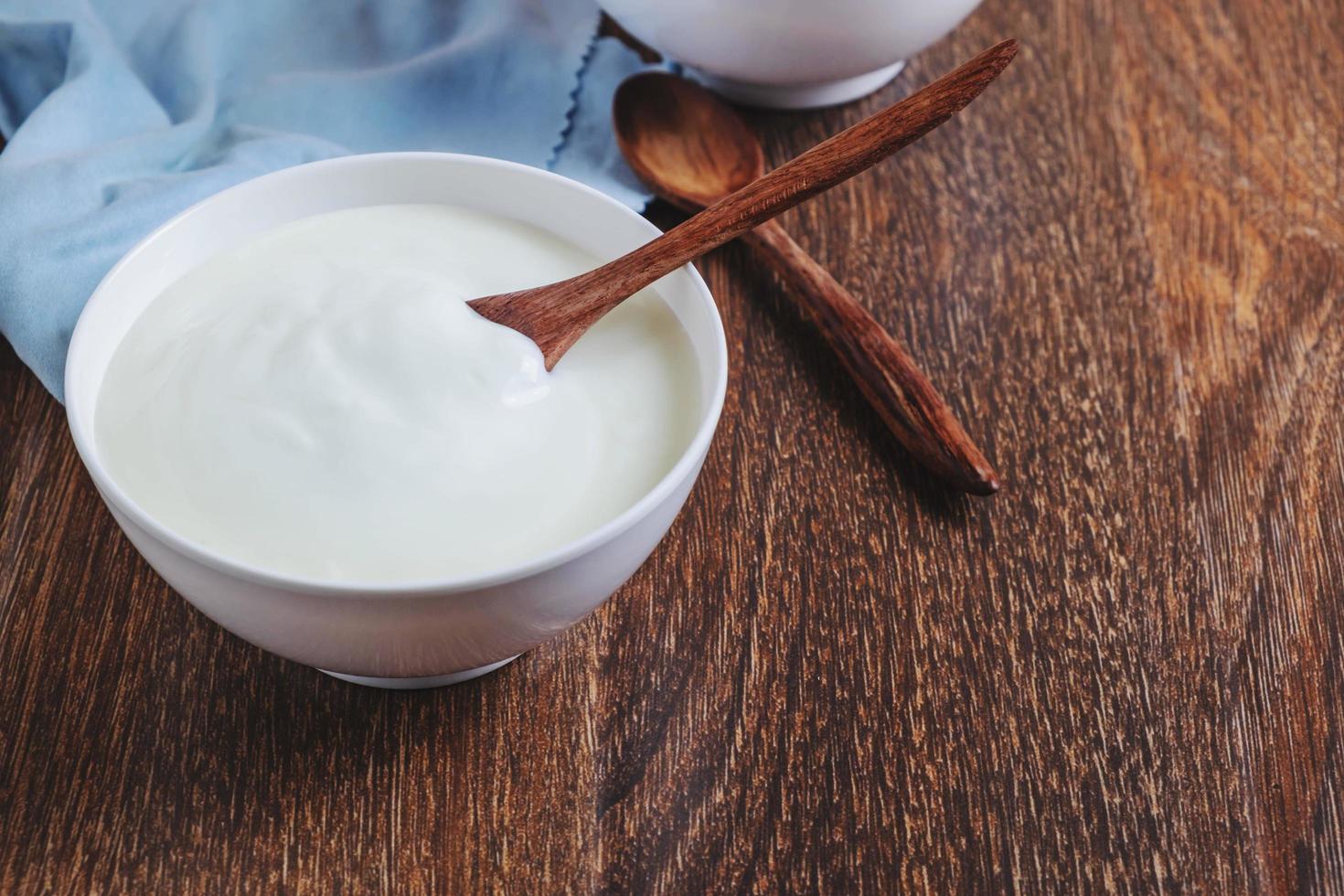
Low‑Fat Yogurt or Low‑Fat Milk (If You Tolerate Dairy)
Dairy affects people differently. Try a small sip of low‑fat milk or a spoonful of low‑fat yogurt. If it makes the burn worse, skip dairy.
Small Sips of Water
Drinking water slowly can help wash acid down and ease the feeling. Replace coffee or alcohol with water if those drinks trigger you.
Foods That Often Trigger Reflux
Not every food bothers everyone. Pay attention to what you eat before symptoms appear and test one change at a time.
Greasy or Fried Items
Fried foods, fast‑food meals, and creamy sauces can relax the muscle that keeps stomach acid down. Try baking, grilling, or steaming instead.
Very Spicy Foods
Hot peppers and strong spices may worsen the burn. Use milder herbs for a week and see if symptoms improve.
Tomato‑Based and Citrus Foods
Tomato sauce, salsa, ketchup, oranges, grapefruit, and lemon juice are common triggers for many people.
Coffee, Alcohol, Chocolate, and Mint
These drinks and flavors often relax the stomach valve, leading to more reflux. Test them one at a time to see what affects you.
Helpful Eating Habits
Beyond picking foods, everyday habits can keep reflux at bay.
Eat Smaller Meals
Large portions can push stomach contents up. Try slower eating and stop before you feel completely full.
Wait Before Lying Down
Give your body 2‑3 hours after a meal before you go to bed. Eating earlier in the evening can lower nighttime symptoms.
Add More Fiber
Fiber‑rich foods such as whole grains, root vegetables, and green veggies can make meals feel satisfying without extra fat.
Choose Lean Proteins
Chicken breast, fish, turkey, and egg whites are low‑fat protein sources. Cook them by grilling, baking, or steaming.
Swap Trigger Foods
If citrus bothers you, try a banana. If fries cause trouble, choose baked sweet potatoes. Small swaps add up.
Track What You Eat
Writing down meals, times, and how you feel helps you spot patterns. Over time you’ll know which foods, portions, or times cause flare‑ups.
Quick FAQ
- Do any foods neutralize stomach acid right away? Food can avoid triggers, but only antacids neutralize acid quickly.
- Does milk help heartburn? Low‑fat milk may help some, but whole milk can make symptoms worse for many.
- Can water ease reflux? Sipping water may wash acid down, but it’s not a cure.
- Is baking soda safe for heartburn? Baking soda can neutralize acid, but it adds sodium and should be used only as directed.
- What’s the difference between reflux, GERD, and heartburn? Reflux is acid moving up; heartburn is the burning feeling; GERD is frequent reflux that may need medical care.
Bottom Line
Foods that calm acid reflux are usually low in fat and acid, and they work best when you pair them with gentle habits—smaller meals, early dinners, and plenty of fiber. For fast relief, antacids are more effective than food. If heartburn happens often or disrupts sleep, talk to a health professional.