
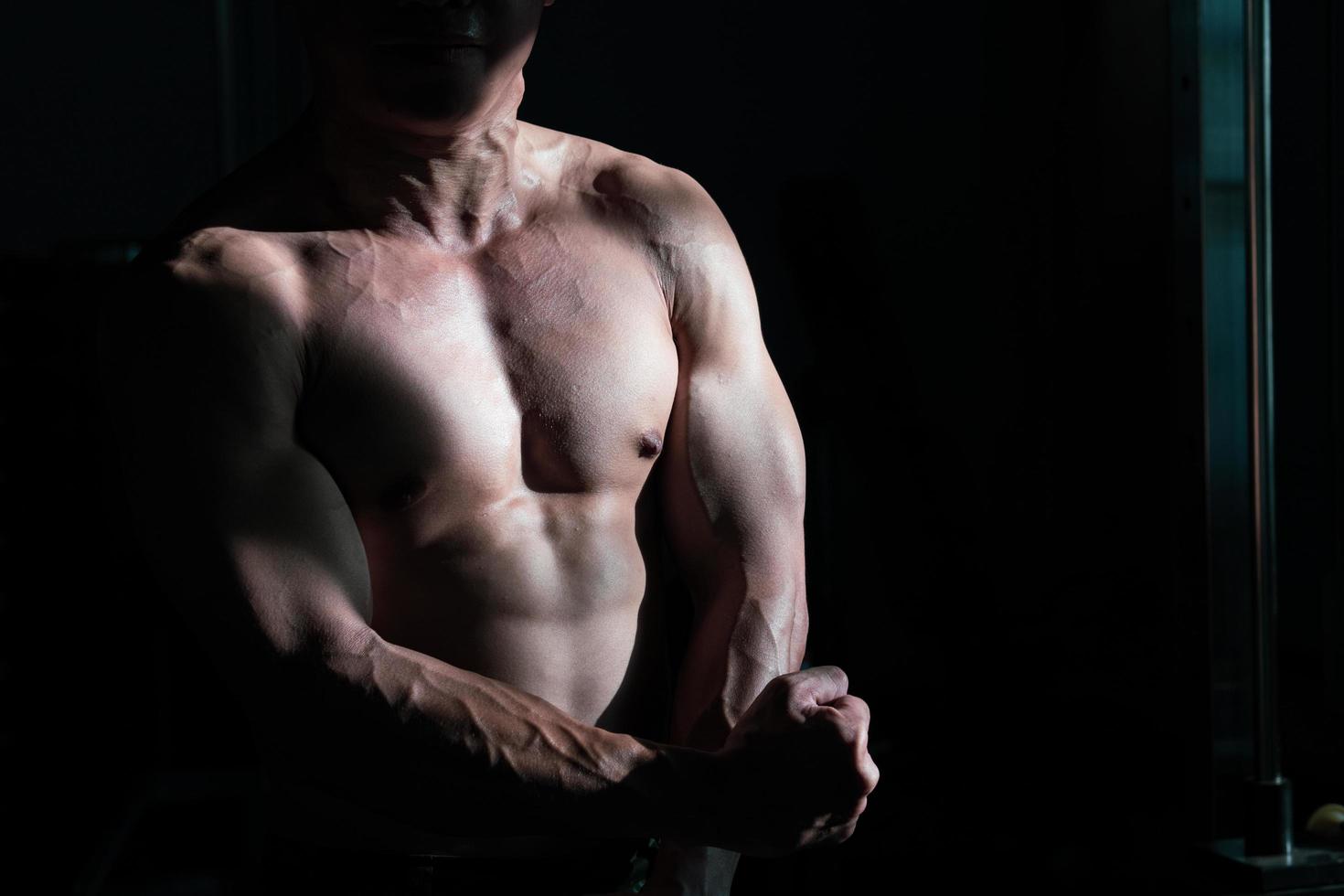
As we get older, our muscles start to get weaker. The fibers become smaller, more scar tissue appears, and the fast‑moving fibers that give us power fade away. This makes everyday tasks harder.
How Muscles Fix Themselves
Inside each muscle fiber lives a protein called hepatocyte growth factor, or HGF. When a muscle is hurt or stretched, HGF is released. It then locks onto a special receptor named c‑met on satellite cells – the stem cells that rebuild muscle.
When HGF binds to c‑met, the satellite cells wake up, multiply, and turn into new muscle tissue. This process keeps our muscles strong.
Why Aging Stops the Repair
In older bodies, HGF can change chemically. A tiny piece called a nitro group can stick to two spots on the protein (Y198 and Y250). This is like a rusted key that no longer fits its lock, so HGF can’t bind to c‑met as well.
When HGF can’t attach, the satellite cells stay quiet, and muscles don’t repair as quickly. This contributes to muscle loss in seniors.
Testing Sulfur‑Based Antioxidants
Researchers tried two sulfur‑rich antioxidants: glutathione trisulfide (GSSSG) and lipoic‑acid trisulfide (LASSS). Both have three sulfur atoms linked together and are known for strong antioxidant power.
Both compounds lowered the nitro‑group damage on HGF, but only LASSS made a big difference. When the scientists used more LASSS (raising the mixture from 1:4,000 to 1:8,000), HGF’s ability to bind to c‑met more than doubled. The protein also became harder to damage at the Y198 spot.
What Happens Inside the Body?
To see if the effect works in a living animal, the team gave LASSS to mice whose muscles were weakened by hanging their tails (a model for muscle atrophy). The mice that received LASSS showed far less nitro‑group damage than the untreated mice. The other antioxidant, GSSSG, did not help.
These results suggest that LASSS does more than just mop up harmful molecules. It seems to change HGF’s shape a little, turning it into a “Super HGF” that sticks to its receptor better and resists damage.
What This Could Mean for People
If the same effect happens in humans, LASSS could become a new way to keep muscles healthy during aging, long periods of bed rest, or any situation where people move very little.
The scientists think the benefit could extend to pets like cats and dogs as well. In the future, a safe LASSS‑based treatment might help older adults stay strong, independent, and enjoy a longer healthy life.