
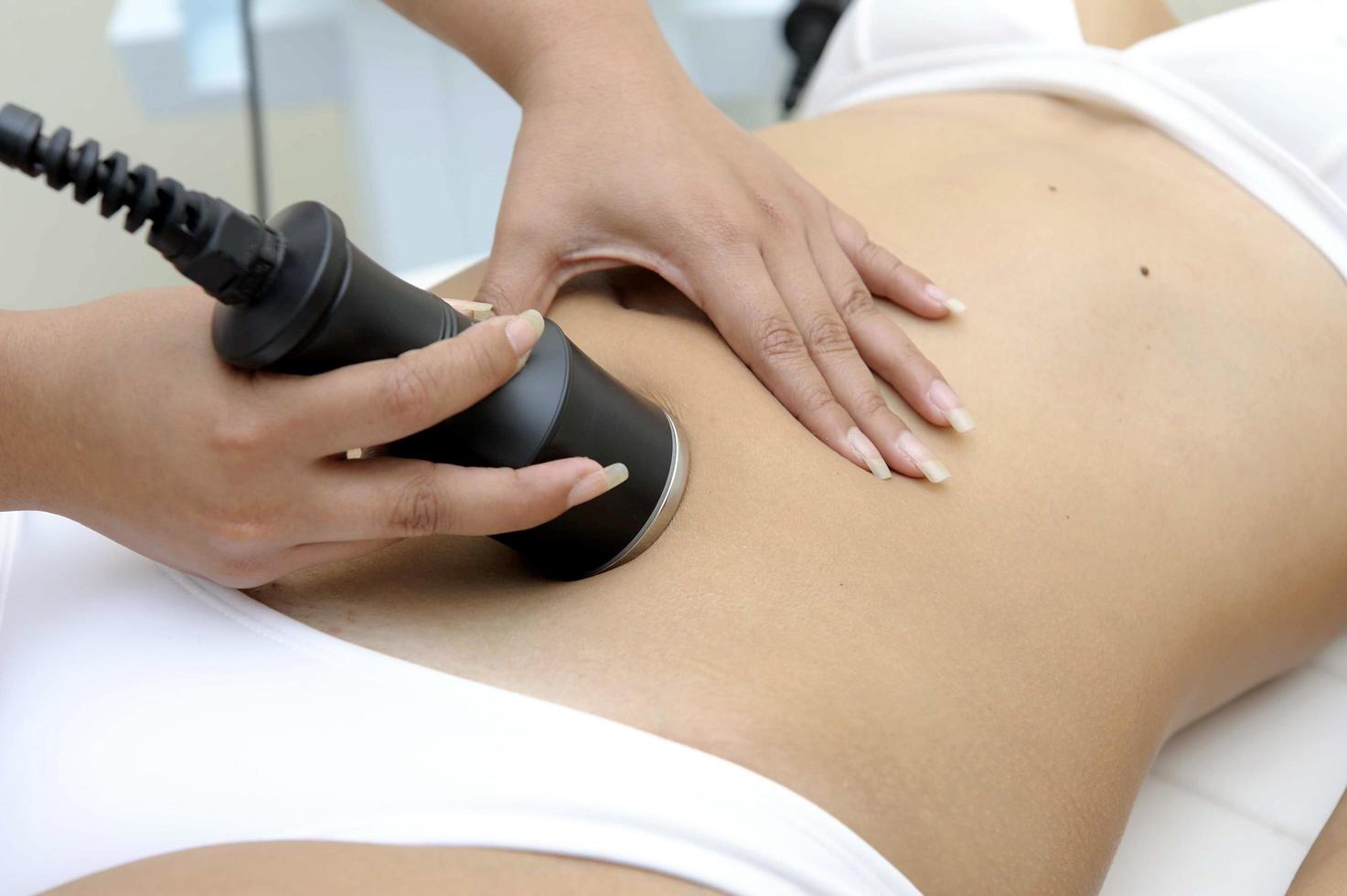
Researchers at the University of Alabama in Huntsville discovered a new use for continuous low‑intensity ultrasound. The method could one day help joints heal after an injury and lower the chance of getting arthritis later.
The study was published in the journal Scientific Reports. It was led by Dr. Anuradha Subramanian, a professor of chemical and materials engineering. The team also included a PhD student, a mathematician, and other graduate helpers. Funding came from the National Institutes of Health.
How Ultrasound Affects Immune Cells
The scientists looked at macrophages, a type of immune cell that can cause inflammation (the body’s “defender” mode) or help repair tissue (the “healer” mode). After an injury, the body first sends many defender macrophages (called M1). If they stay active for too long, they can keep the joint inflamed and lead to arthritis.
The researchers wanted to see if ultrasound could push these cells toward the healer side (called M2‑like). Their results suggest that gentle ultrasound does exactly that: it lowers the defender signals and raises the healer signals.
Why This Matters for Osteoarthritis
Long‑lasting inflammation is a big reason why joints break down after a trauma. By using low‑intensity ultrasound, doctors might be able to change the immune response without drugs. This could create a healthier environment for the joint to repair itself.
A Better Lab Model
To mimic a real joint injury, the team used tiny protein pieces called fibronectin fragments, which appear when tissue breaks down. This made a more realistic model of what happens inside an injured joint.
They also combined gene‑activity studies (transcriptomics) with a computer method called differential clustering. Instead of checking each gene one by one, this method looks at groups of genes that change together, giving a bigger picture of how cells react to ultrasound.
Early Findings
In the lab, continuous low‑intensity ultrasound reduced several inflammation markers. At the same time, it raised markers that indicate a shift toward the M2‑like, healing state.
Although the work is still at the laboratory stage, the results hint that a non‑drug, non‑invasive tool could someday help joints heal faster and slow down arthritis.
Next, the researchers plan to test the technique in animal models of early post‑traumatic osteoarthritis. They will see if the ultrasound can keep joints healthy over the long term.