
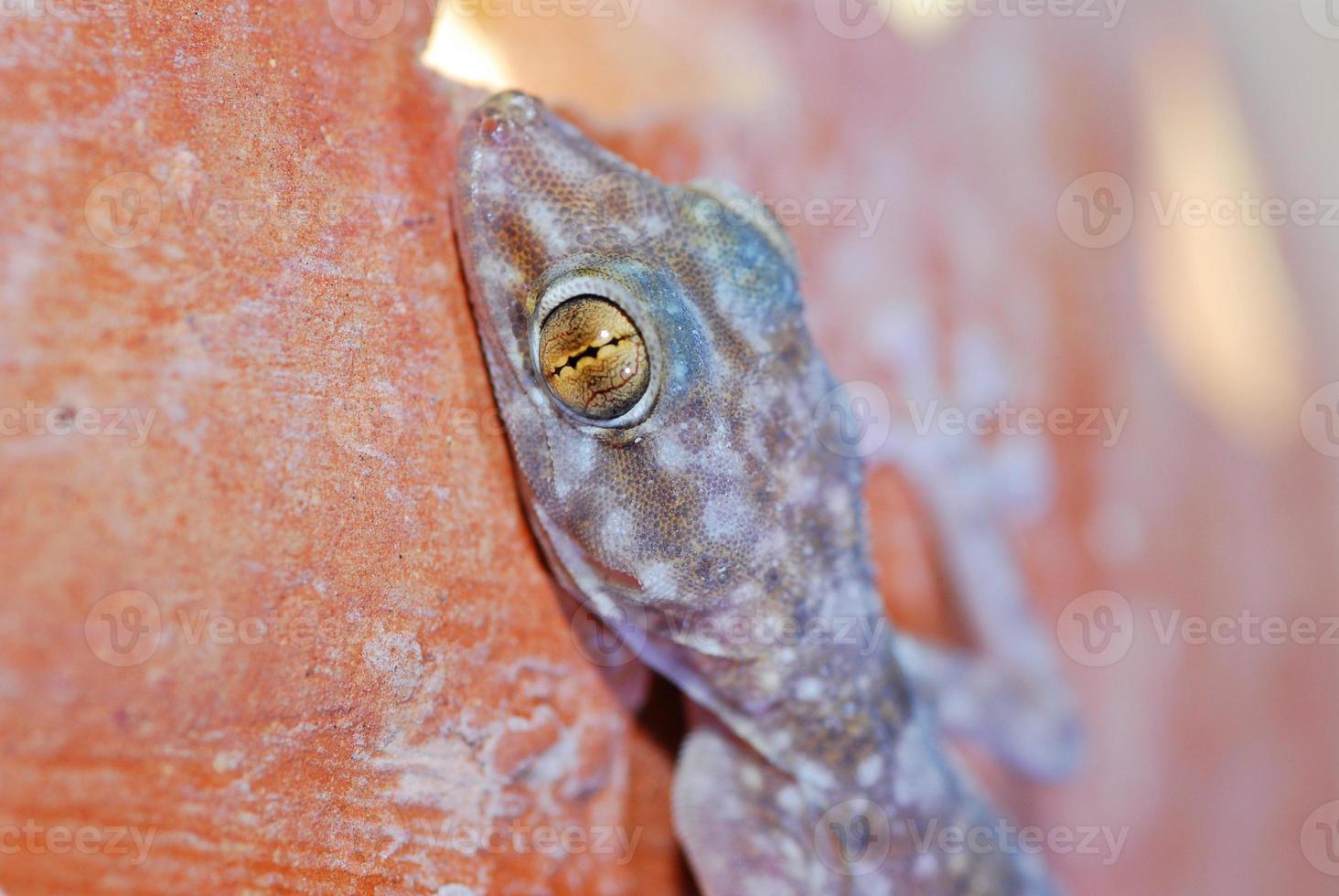
A colorful pet gecko that often gets cancer could become a new tool for scientists. By looking at the animal’s own tumors, researchers hope to learn why some species get sick easily while others stay healthy.
The study was led by the University of Nottingham and appeared in BMC Biology. Researchers found many genetic changes in a special type of leopard gecko. These changes affect the same genes that cause cancer in humans.
Among reptiles, cancer rates differ a lot. Turtles hardly ever get tumors, but a white‑and‑yellow leopard gecko called the “lemon frost” morph develops aggressive cancers in about eight out of ten animals.
Dr. Ylenia Chiari and her team explained that learning why this gecko is so vulnerable could reveal new ways to prevent and treat cancer in people. The lemon frost’s bright colors came from a random mutation that appeared while breeders were selecting for new patterns.
Unlike lab mice, which need chemicals or genes to start a tumor, lemon frost geckos get cancer naturally and at a young age. Their tumors often spread, giving scientists a chance to watch how cancer grows and moves without artificial tricks.
To understand the disease, the team compared DNA from tumor tissue with DNA from healthy skin of the same animals. They found a set of gene changes that appear in many tumors. Most of these genes are already known to be involved in human cancers.
The researchers say that using animals that naturally develop cancer, like the lemon frost gecko, can add valuable information to the traditional lab models.
Dr. Scott Glaberman added that studying many different species gives us a bigger picture of cancer. He reminded us that protecting wildlife helps keep these hidden medical clues safe.