Salmon tastes rich and satisfying. It can turn an ordinary dinner into something special without a lot of effort.
Besides flavor, salmon supplies protein, healthy fats, and many vitamins. That’s why it appears often in healthy‑eating talks.
Nutritional Highlights
A three‑ounce cooked portion of most salmon types gives about 24 g of protein, 10 g of fat, and roughly 200 calories. Pink salmon is a bit leaner, offering about 22 g protein, 4 g fat, and 130 calories.
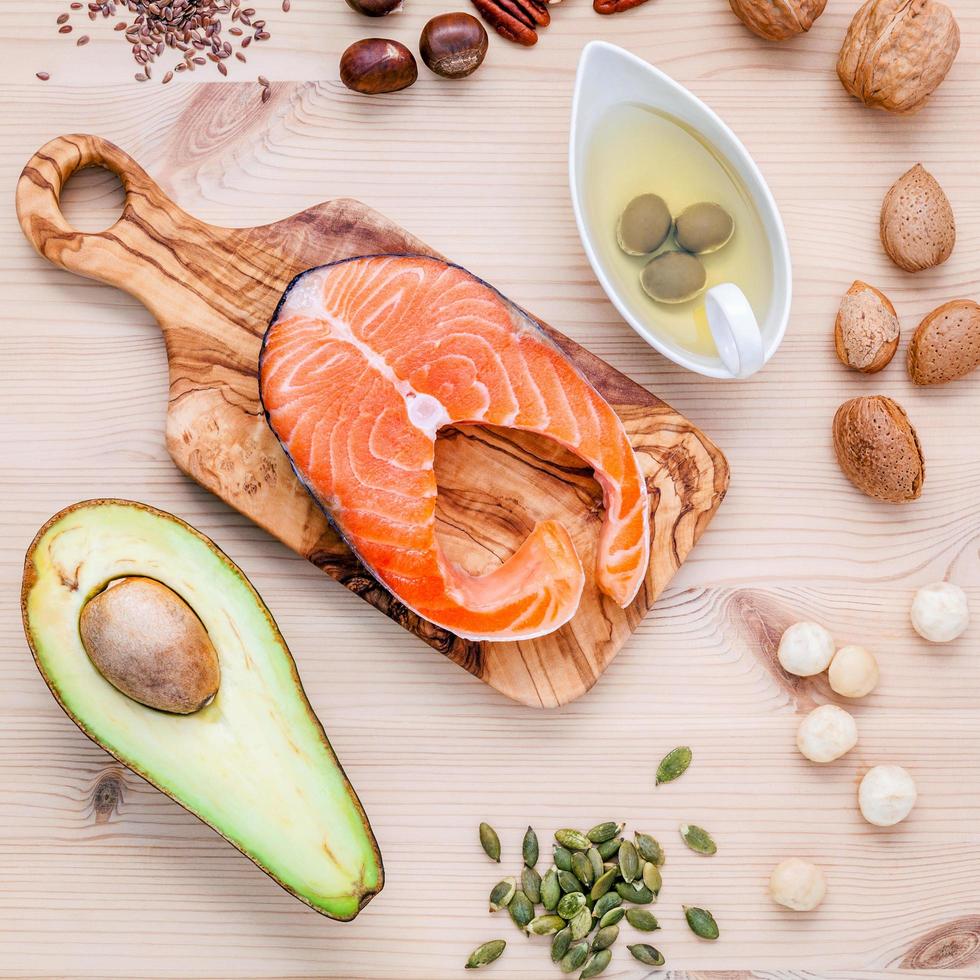
Salmon also provides vitamin B12, vitamin D, selenium, and the omega‑3 fats DHA and EPA. These nutrients support heart health and overall wellness.
Portion size matters. The numbers above are for a plain 3‑oz cooked serving. Larger portions or added sauces raise the calorie count.
Different Kinds of Salmon
Most salmon falls into two groups: Atlantic and Pacific.
Pacific salmon includes several species:
- Sockeye – deep red flesh and strong flavor.
- Chinook – very oily and buttery texture.
- Coho – reddish‑orange, leaner, and versatile.
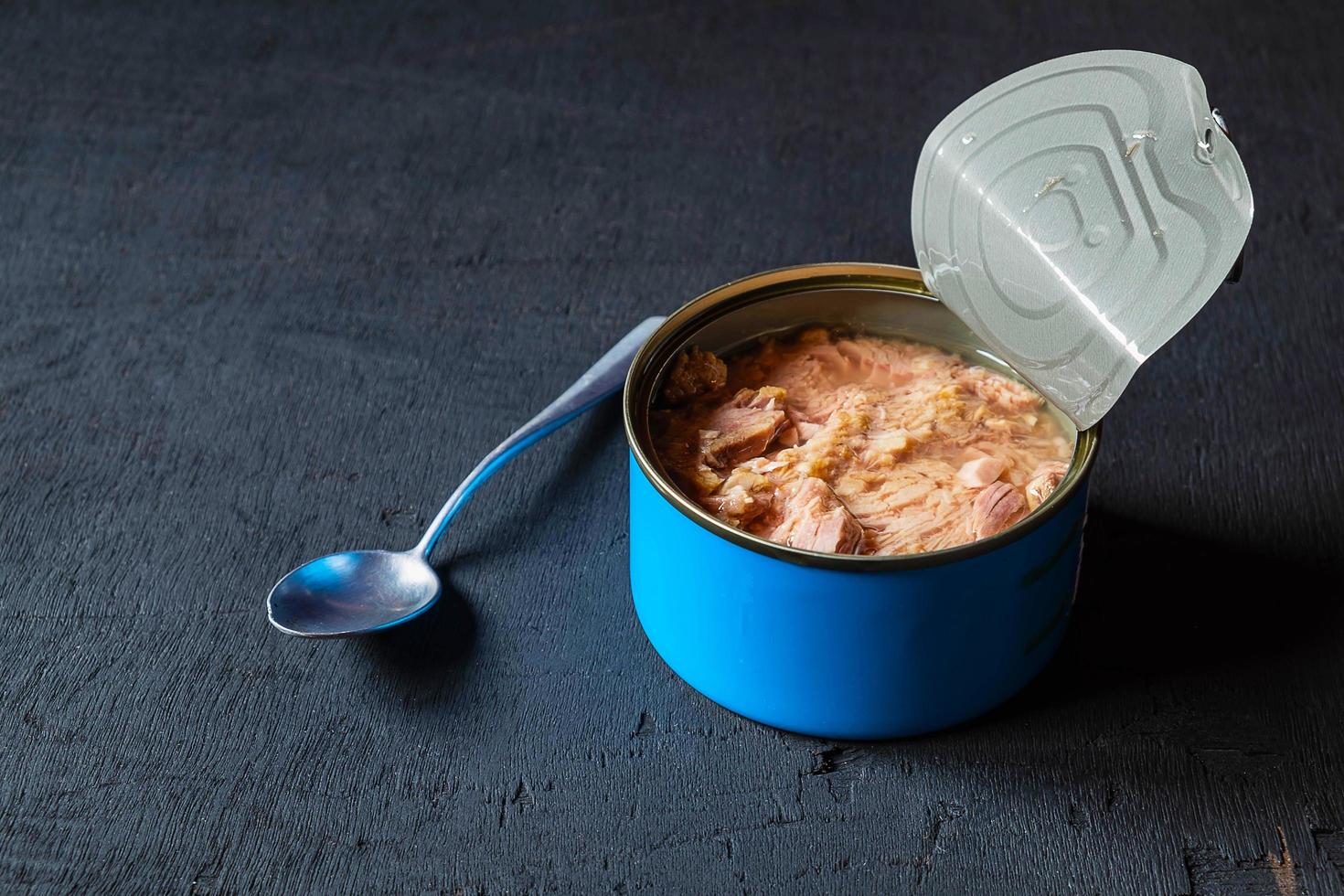
- Pink – smaller, often used for canned salmon.
Both wild‑caught and farm‑raised salmon can be nutritious. Farmed fish often has a bit more omega‑3 because of its feed, but either choice works well.
Cooking, Seasoning, and Storing
How to Cook
Salmon is easy to prepare. You can bake, broil, grill, pan‑sear, or air‑fry it. Cook until the inside reaches 145 °F.
Baking is the simplest method. A drizzle of olive oil, a pinch of salt, and a quick bake give tasty results.
Simple Seasonings
Only a few ingredients are needed. Try salt, pepper, lemon juice, and olive oil.
Other flavor ideas:
- Lemon, garlic, dill, and parsley for a fresh taste.
- Chipotle powder, smoked paprika, garlic, and lime for a smoky kick.
- Low‑sodium soy sauce, ginger, garlic, and a splash of sesame oil for an Asian twist.
- Paprika, black pepper, garlic powder, and Dijon mustard for a bold bite.
How to Store
Raw salmon should be used within 1–2 days when kept in the fridge. Cooked salmon lasts 3–4 days.
Always keep fish cold and never leave it out for more than two hours (one hour if it’s hot outside). If it smells sour, fishy, or like ammonia, discard it.
Easy Recipe Ideas
Salmon pairs well with fresh, crunchy, or hearty sides. Here are a few quick meals:
- Grilled salmon topped with spicy mango salsa.
- Salmon skewers served with whole‑wheat couscous.
- Sheet‑pan salmon coated in almonds, with green beans.
- Smoked salmon mixed into scrambled egg whites with Brussels sprouts.
- Roasted salmon with a bright mandarin salsa.
Leftover salmon works great in grain bowls, wraps, or salads for next‑day meals.
Frequently Asked Questions
- Is salmon a healthy choice? Yes. It offers protein, omega‑3 fats, and essential vitamins.
- How much protein does a serving contain? About 24 g for most salmon, 22 g for pink salmon.
- How long can I keep salmon in the fridge? Raw: 1–2 days. Cooked: 3–4 days.
- Is candied salmon good for me? It still gives protein and fat, but added sugar and salt make it less healthy than plain salmon.
Bottom Line
Salmon is a simple way to add protein and omega‑3s to meals. It’s tasty, quick to prepare, and works in many dishes. Keep it in your weekly menu for a balanced, nutritious diet.