
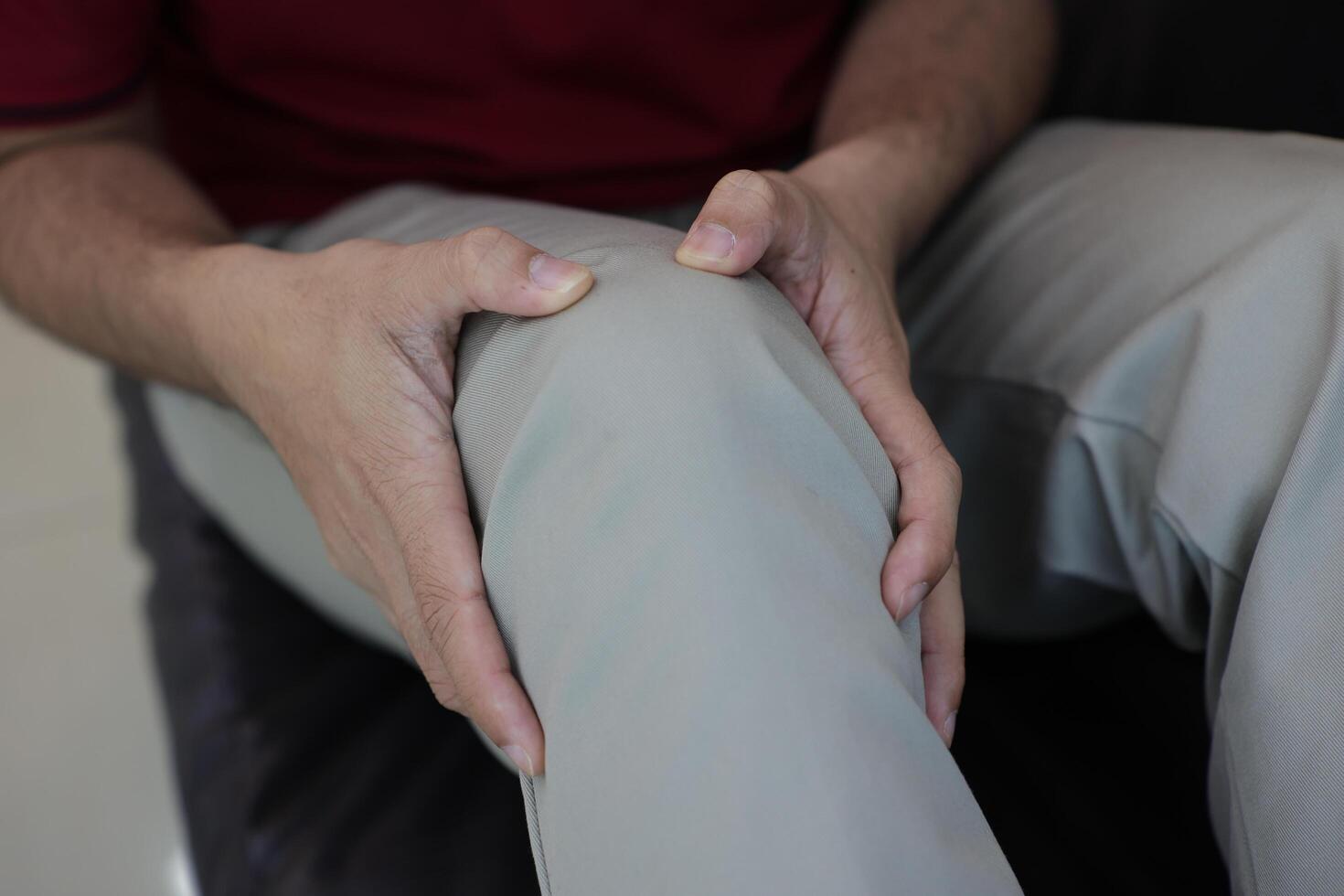
A new, tiny procedure that blocks abnormal blood vessels near the knee may give long‑lasting comfort to people with osteoarthritis, according to a study released on June 16 in the journal Radiology.
Osteoarthritis is the most common type of arthritis and a leading cause of disability worldwide. It makes joints swollen, stiff, and painful, limiting everyday movement. The World Health Organization says more than 365 million adults suffer from knee osteoarthritis.
"Many knee‑OA patients have few good options today," said Dr. Florian Nima Fleckenstein, a radiology specialist in Berlin. "Injections often stop working, and joint replacement isn’t always possible."
A Fresh Way to Tackle Knee Pain
The method, called genicular artery embolization (GAE), is a non‑surgical approach that targets extra blood vessels that grow around a painful knee joint. These vessels are thought to keep inflammation and pain going.
During GAE, a radiologist threads a thin tube (catheter) to the problem vessels and releases tiny particles that block the blood flow. Cutting off these vessels can calm inflammation and ease pain without cutting into the knee.
In this research, doctors used fast‑dissolving, gelatin‑based microspheres. The beads are sized precisely and disappear within a few hours after placement. The team believed they would give the benefits of both temporary and permanent blockers while avoiding the downsides.
"GAE changes the abnormal blood supply around the joint, which in turn calms the nerve‑vessel network that causes pain," Dr. Fleckenstein explained. "With the resorbable beads, we may actually slow the disease itself."
Study Involved Nearly 200 People
The single‑center study enrolled 194 adults with knee‑OA pain who had not found relief after at least three months of standard care, such as physical therapy, anti‑inflammatory drugs, and joint injections. The group included 114 women and 80 men, with an average age of 69 and an average body‑mass index of 28.4.
All participants received GAE with the resorbable microspheres between July and November 2024. Forty‑five of them (23 %) needed treatment in both knees, with the second procedure done within four weeks of the first.
Overall, 239 embolizations were performed under X‑ray (fluoroscopic) guidance. Every procedure was technically successful. No moderate or severe complications occurred, and only 6.7 % of patients reported mild, self‑resolving reactions.
Strong Pain Reduction and Better Mobility
Patients were evaluated before the procedure and again at six weeks, three months, six months, and 12 months. Follow‑up rates stayed high: 94 % at six weeks, 89 % at three and six months, and 79 % at one year.
"We saw a clear drop in pain and a big rise in function, from daily chores to sports activities," Dr. Fleckenstein said. "Most importantly, quality of life improved a lot."
Pain scores on a 0‑to‑10 scale fell from a median of 7 before treatment to 4 after six weeks and stayed at 3 through the 12‑month check‑in, showing lasting relief.
All parts of the Knee Injury and Osteoarthritis Outcome Score (KOOS) improved. Daily‑activity scores rose from 53 to 71.5, sports‑recreation scores from 15 to 36, symptom scores from 51 to 68, pain scores from 44 to 65 (higher scores mean less pain), and quality‑of‑life scores from 19 to 40.
Most Patients Reached Meaningful Gains
Earlier studies define a clinically important improvement as at least a 2‑point drop on the pain scale or a 10‑point rise on KOOS sub‑scores. At the 12‑month mark, 80 % of participants met or exceeded these thresholds for pain reduction.
"Our data show that GAE with quickly dissolving gelatin beads is safe, minimally invasive, and gives real pain relief and functional gains for at least a year," Dr. Fleckenstein concluded. "For the right patient, a single tiny procedure can fill the gap between injections and joint replacement."
The study, titled “Genicular Artery Embolization Using Rapidly Resorbable Gelatin‑Based Microspheres for Osteoarthritis‑Related Knee Pain,” was led by Dr. Fleckenstein and his colleagues.