
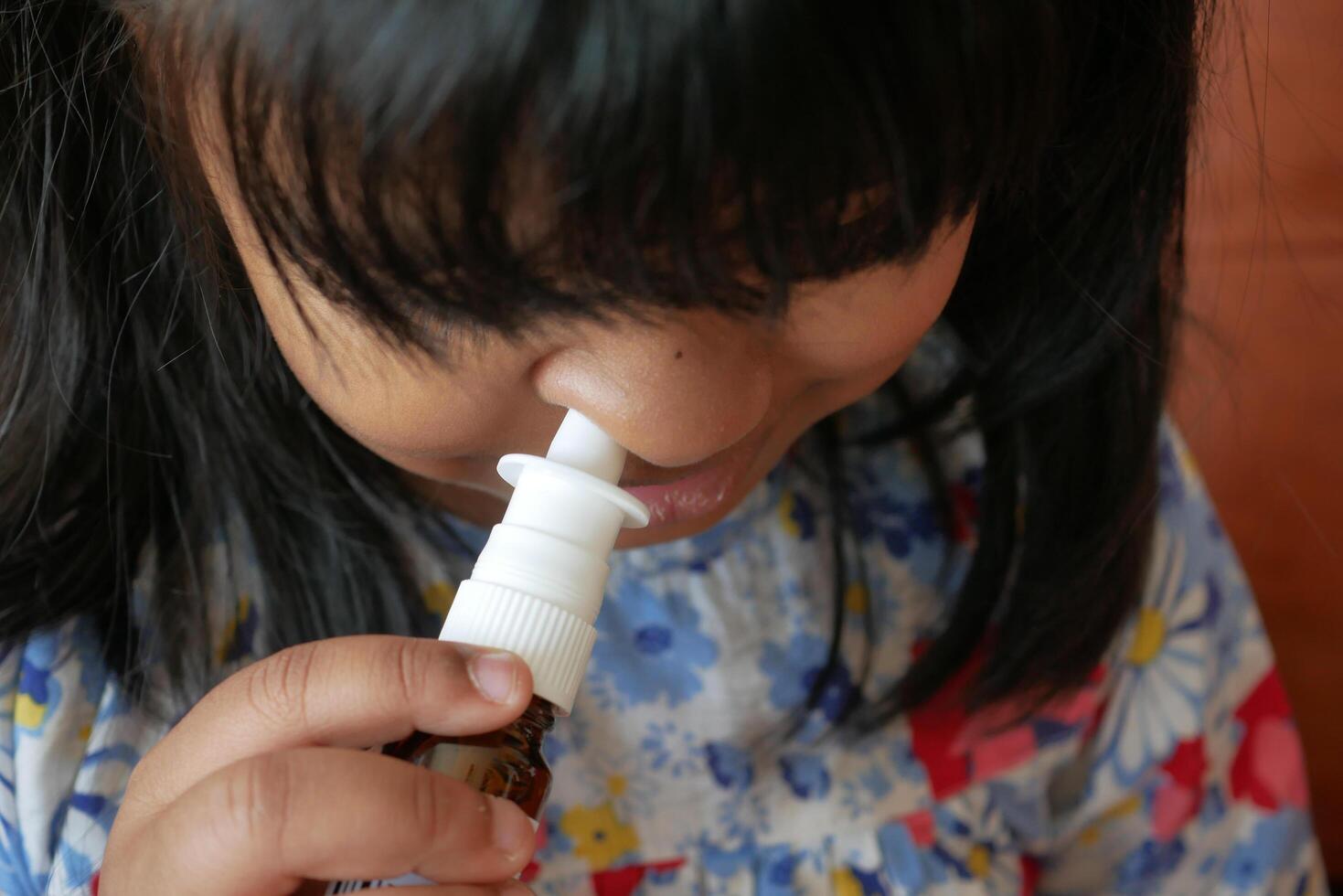
Imagine if the brain could become younger again. New research from Texas A&M suggests a tiny nose spray might make that happen.
Why the Brain Gets Older
As we age, a low level of inflammation stays in the brain. Scientists call this "neuroinflammaging." It slows memory, makes thinking harder, and can lead to diseases such as dementia and Alzheimer’s.
How the Spray Works
The spray carries microscopic packets called extracellular vesicles (EVs). Inside each packet are micro‑RNAs, tiny molecules that tell brain cells how to behave.
When the spray is sprayed into the nose, it slips past the brain’s protective barrier and reaches the brain tissue directly. This non‑invasive route is one of the most exciting parts of the method.
Stopping Inflammation
Inside the brain, the EVs find immune cells that cause chronic inflammation. They turn off trouble‑making pathways like NLRP3 inflammasome and cGAS‑STING, which are known to fuel aging.
Giving Cells More Energy
Beyond calming inflammation, the spray revives mitochondria—the tiny power plants inside each cell. Healthier mitochondria give neurons the energy they need to store and recall information.
What the Experiments Showed
In lab animals, just two doses of the spray improved memory tests. Treated animals recognized familiar objects better and noticed changes in their environment more quickly than untreated ones.
The benefits lasted for months, even though the treatment was brief.
What This Could Mean for People
If the findings move to human trials, a simple two‑dose spray could replace more invasive procedures or long‑term drug regimens for conditions like dementia.
Numbers show dementia cases in the U.S. may reach one million by 2060, so new, easy‑to‑use therapies are urgently needed.
Future Directions
The researchers plan to test the spray in larger studies and explore if it can help stroke patients or anyone with age‑related cognitive decline.
The work was supported by the National Institute on Aging and has already led to a U.S. patent filing.
While more research is required before people can use the spray, the study gives hope that brain aging is not a one‑way street.