
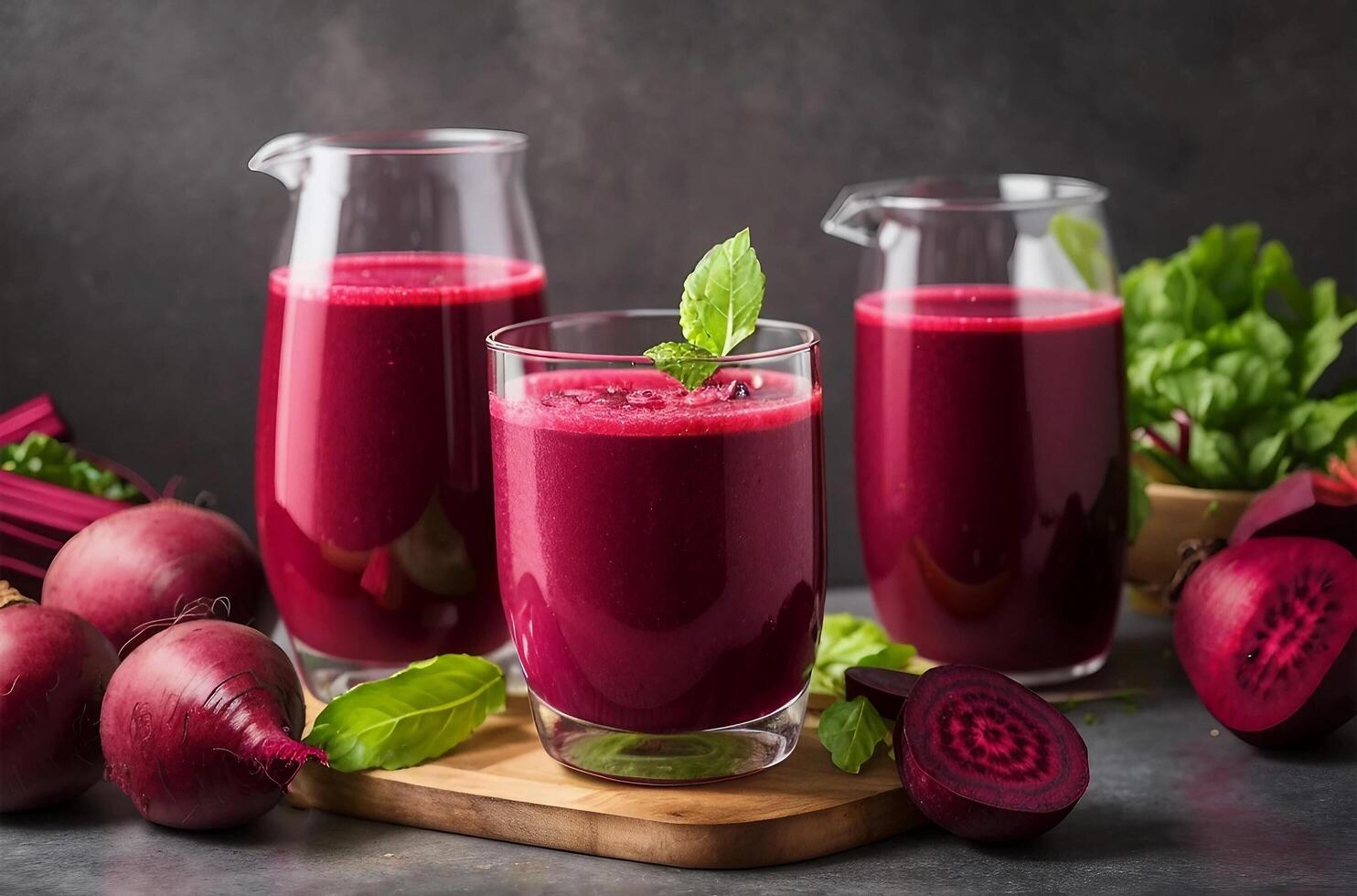
Drinking beetroot juice every day may help older people keep their blood pressure low. The secret lies in tiny germs that live in the mouth.
Why Mouth Bacteria Matter
Many vegetables, such as beetroot, spinach, and kale, contain nitrate. Before nitrate helps the body, friendly mouth bacteria turn it into another chemical that later becomes nitric oxide. Nitric oxide relaxes blood vessels, which keeps blood pressure normal.
If the balance of mouth germs gets messed up, the nitrate‑to‑nitric‑oxide pathway works less well.
Two‑Week Beetroot Juice Test
Scientists invited 39 young adults (under 30) and 36 older adults (in their 60s‑70s) to take part. Each person drank two drinks for two weeks each:
- Real beetroot juice packed with nitrate.
- A fake drink where the nitrate had been removed.
A short break between the two periods made sure the effects of the first drink faded before starting the next.
Researchers collected saliva samples and used DNA testing to see which bacteria were present before and after each drink.
Older Adults Showed a Clear Change
Both age groups had different bacteria after drinking the real juice, but the changes were not the same.
In seniors, a type of bacteria called Prevotella went down. This group is thought to be less helpful for blood pressure. At the same time, good bacteria such as Neisseria increased.
Older participants also started with higher blood pressure. After the nitrate‑rich juice, their pressure dropped. The placebo drink did not cause this change, and the younger volunteers saw no pressure drop at all.
How Nitric Oxide Fits In
As we age, our bodies make less nitric oxide, which can make blood vessels stiff. Beetroot juice seems to boost the mouth bacteria that help create more nitric oxide, giving the vessels a chance to relax.
What Other Studies Have Found
Recent research with older adults who already take blood‑pressure medicine showed that beetroot juice still changes mouth bacteria – increasing helpful types and lowering others – but the effect on blood pressure varies with health status and the medicines used.
Other experiments found that strong mouthwash can block the nitrate‑to‑nitric‑oxide pathway, while a gentle nitrate rinse keeps the bacteria working.
Can Beetroot Juice Be Part of a Healthy Aging Plan?
These results do not say beetroot juice can replace blood‑pressure drugs. However, adding nitrate‑rich vegetables like beetroot, spinach, or celery to meals may give the heart a natural boost, especially for older people.
People may respond differently because each mouth has its own bacterial mix. In the future, doctors might recommend foods based on a person’s oral microbiome.
What Comes Next?
Larger studies are needed to learn why some seniors benefit more than others. Future work will look at how age, gender, diet, oral‑hygiene habits, and the existing bacterial community influence the blood‑pressure response.
Understanding this link could lead to simple, food‑based ways to keep blood vessels healthy – starting not in the heart, but in the mouth.