
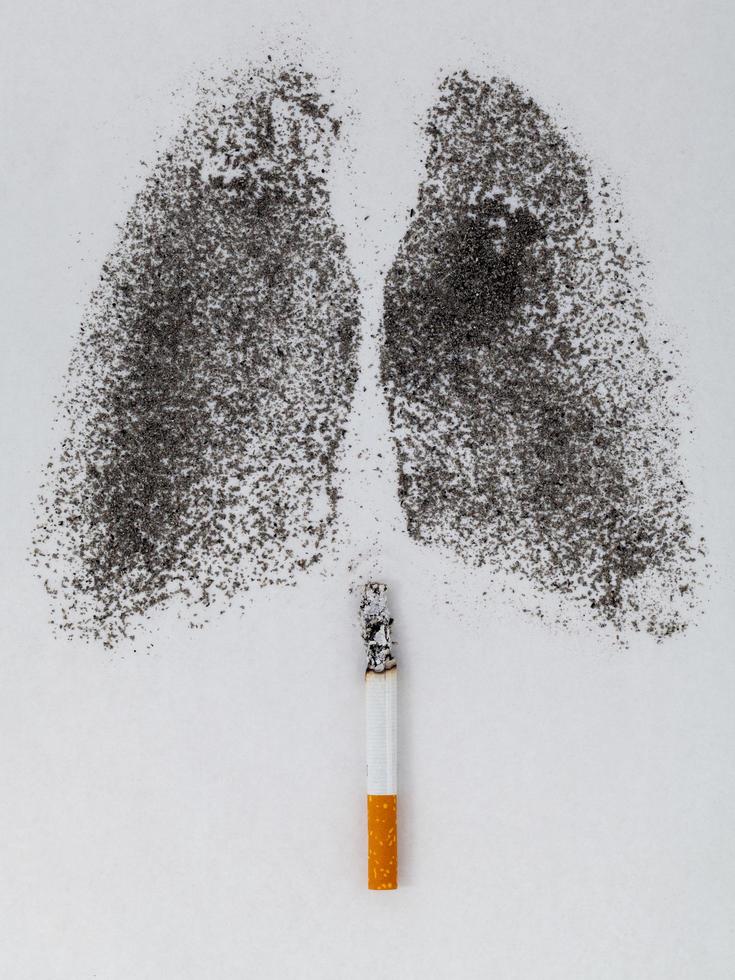
Small cell lung cancer (SCLC) is one of the toughest lung cancers. Only about five out of every hundred people live five years after diagnosis. The disease often shrinks with chemotherapy at first, but it usually comes back quickly and spreads fast.
New Finding About Cancer Cells
Scientists led by Prof. Dr. Silvia von Karstedt discovered a hidden step that may explain why SCLC acts so aggressively. Their work was published in Nature Communications under the title “Lack of Caspase 8 Directs Neuronal Progenitor‑like Reprogramming and Small Cell Lung Cancer Progression.”
Neuron‑Like Traits in Cancer Cells
Unlike most cancers that come from skin‑like cells, SCLC shows some features of nerve cells. One important missing piece is a protein called caspase‑8. This protein helps the body delete damaged cells in a calm, non‑inflamed way called apoptosis.
Inflammation, Necroptosis, and Immune Weakening
To study the disease, the researchers built a special mouse that also lacks caspase‑8. They found that without this protein, cells die in a fiery way called necroptosis. This creates a swollen, inflamed area even before a tumor appears.
The inflammation confuses the immune system. It blocks the body’s natural anti‑cancer defenses, making it harder for immune cells to fight the tumor. At the same time, the cancer cells turn into a more immature, neuron‑like form. This change helps them spread and is linked to cancer coming back after treatment.
What This Means for Patients
Scientists still need to confirm if this early inflammation happens in people. Still, the study points to a key reason why SCLC is so fast‑growing and why it often returns. Knowing this could guide new medicines and help doctors spot the disease earlier.
The research was funded by the German Research Foundation as part of Collaborative Research Centre 1399, which looks at why small cell lung cancer reacts to drugs and becomes resistant.