
Colon cancer kills many people worldwide. When doctors find it early, treatment works well. But the usual test, a colonoscopy, can be expensive and uncomfortable, so many skip it.
Why a Better Test Is Needed
Too many cancers are discovered late, when they are harder to treat. Young adults are getting the disease more often, and we still don’t know why. A quick, easy test could save lives.
Gut Bugs and Cancer
Scientists have known that the bacteria living in our intestines affect colon health. The problem is that tiny differences between bacterial strains can change how they act. Some strains help cancer grow, while others do nothing.
Looking at Bacterial Subspecies
Instead of studying whole species or single strains, the Swiss team focused on an in‑between level called “subspecies.” This level shows how bacteria work in the body while still being similar enough to compare across many people.
Building a Bacterial Catalog
Using computer learning, the researchers listed every gut‑bacteria subspecies they could find. The list is detailed enough to see how each group behaves.
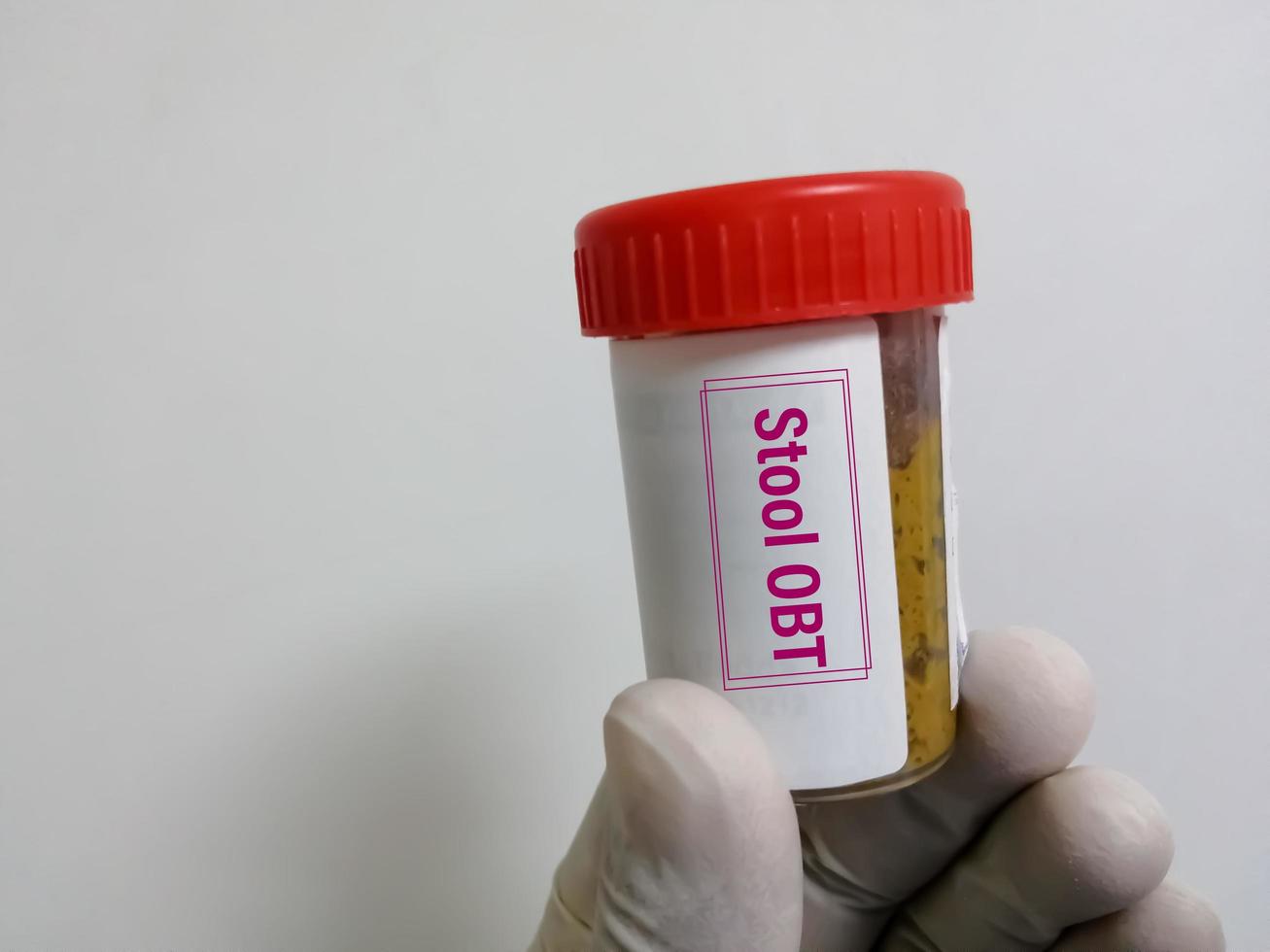
Stool Sample Detects Cancer
They mixed the new catalog with existing medical data and taught a model to spot colon cancer from a single stool sample. The test caught 90% of cancers—almost as well as a colonoscopy, which finds about 94%.
With more patient data, the test could become even more accurate and might later replace colonoscopies for routine screening. A colonoscopy would then only be needed to check positive results.
Beyond Colon Cancer
The team is planning a trial with Geneva University Hospitals to see which cancer stages the test can find. The same approach could later help detect many other diseases by looking at gut microbes.
In short, a cheap, painless stool test could soon become a common way to keep an eye on colon health and possibly other illnesses.