
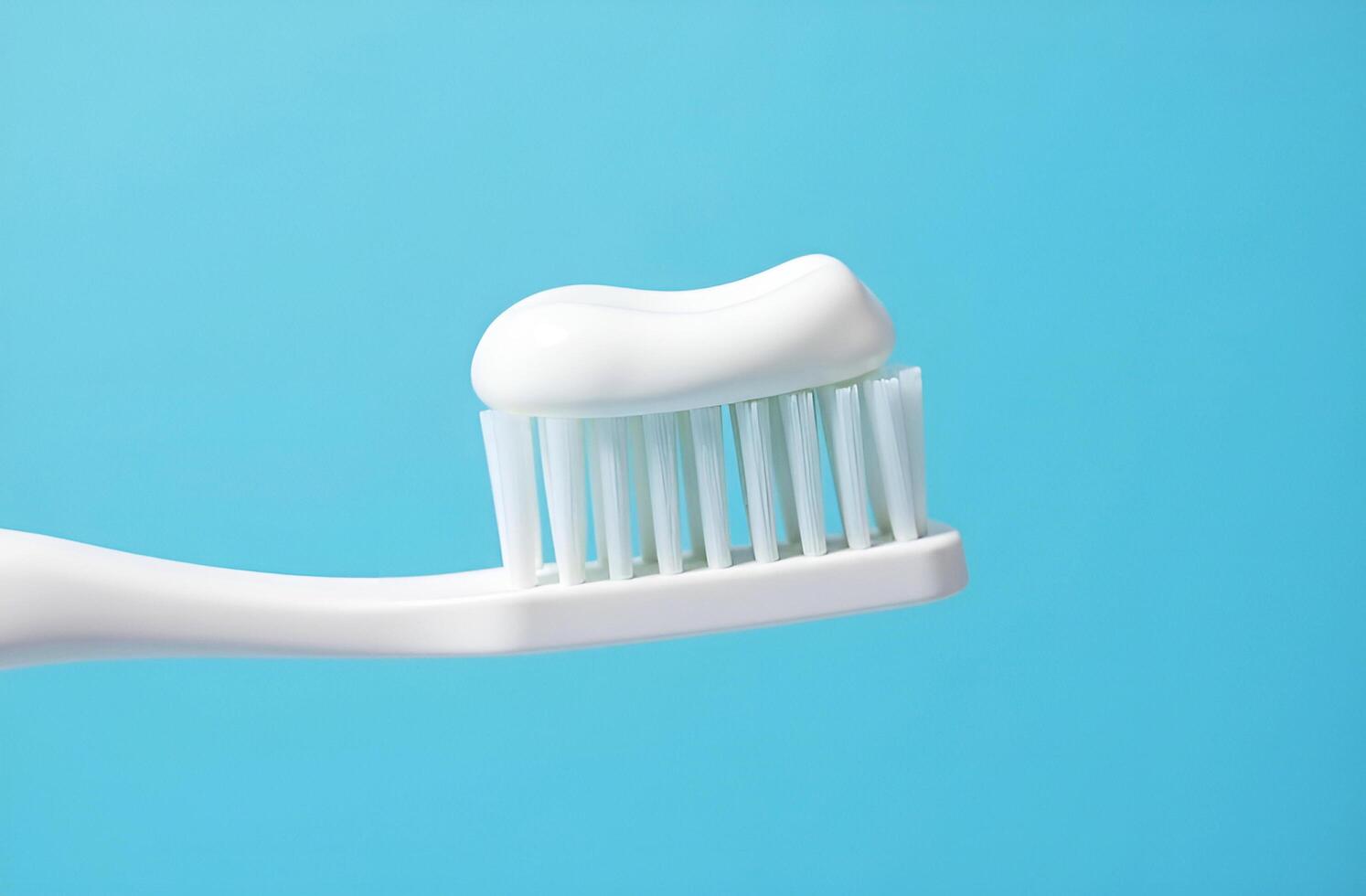
Periodontitis is a common illness that can affect more than just the mouth. Researchers at the Fraunhofer Institute found a molecule that stops the germs causing this disease while keeping the rest of the mouth’s bacteria safe. The discovery was turned into a line of oral‑care products by the spin‑off company PerioTrap.
The mouth holds over 700 kinds of bacteria, but only a few are linked to periodontitis. These bad microbes gather in plaque, especially near the gum line, and cause swelling called gingivitis. If the swelling is ignored, it can become chronic periodontitis, leading to receding gums and lost teeth.
The problem is not limited to the mouth. When disease‑causing bacteria enter the bloodstream, they may increase the risk of diabetes, arthritis, heart disease, inflammatory bowel disease, and even Alzheimer’s.
Why traditional products fall short
Common mouthwashes and chlorhexidine solutions kill many bacteria, including the helpful ones. After such a cleanse, the oral community has to rebuild from scratch. Bad bacteria like Porphyromonas gingivalis grow quickly in inflamed gums, while good microbes recover more slowly. This imbalance, called dysbiosis, lets the disease return.
A gentler way to block the bad germs
Scientists at Fraunhofer IZI identified a substance named guanidinoethylbenzylamino imidazopyridine acetate. Instead of killing bacteria, it stops the growth of harmful ones such as P. gingivalis. This lets friendly microbes fill the space and keep the mouth balanced.
Stephan Schilling, head of molecular drug biochemistry at Fraunhofer IZI, says, “The compound doesn’t wipe out pathogens; it simply prevents them from multiplying. Healthy bacteria can then take over, helping the mouth stay stable.”
From lab research to a toothpaste
The technology first grew out of an EU‑funded project with partners across Europe. In 2018, PerioTrap Pharmaceuticals GmbH was founded in Halle to turn the discovery into real products. Working with Fraunhofer IZI and the Fraunhofer Institute for Microstructure of Materials and Systems (IMWS), the team created a toothpaste that supports the oral microbiome.
Mirko Buchholz, a co‑founder, explains, “Our toothpaste is made to prevent periodontitis. Like regular toothpaste, it also contains abrasives and fluoride to protect against cavities.”
Challenges in making the formula safe
Changing the molecule into a daily‑use ingredient required many tests. The final paste had to block harmful germs effectively, stay non‑toxic, not enter the bloodstream, and keep teeth from staining.
Fraunhofer researchers studied the chemistry and structure of the substance to fine‑tune the formula. “Understanding how it works helps us pick the right amount of active ingredient,” Schilling adds.
How the toothpaste was tested
Fraunhofer IMWS evaluated different versions of the paste on teeth and gums. Using tools like scanning electron microscopy and chemical analysis, they checked how well the product fit and performed.
Andreas Kiesow, group manager for product characterization, explains, “We look at the material under a microscope and run chemical tests to see if the toothpaste works as expected.”
Quality and future plans
All experiments followed Good Laboratory Practice (GLP) guidelines, meeting strict national and international standards. “We didn’t just make a new toothpaste; we created a medical‑grade oral‑care product,” says Schilling.
Beyond toothpaste, the team has developed a gel for use after professional cleanings. This gel helps keep harmful bacteria away and supports a healthy mouth. More products, such as a mouthwash and additional dental solutions, are in the pipeline, and the technology may even be adapted for pets with gum disease.