
You may have seen the word "ironmaxxing" on social media. It is a new name for an old idea: eat more iron to stay healthy.
Iron is a mineral that helps your blood carry oxygen and helps muscles work. It also supports hormone balance.
The idea is popular with women and runners who want strong muscles and steady energy.
What Is Ironmaxxing?
Ironmaxxing means choosing foods that contain a lot of iron and pairing them in ways that help your body absorb the mineral better.
Iron comes in two forms. Heme iron is found in animal foods and is easy for the body to use. Non‑heme iron is in plants and fortified foods and is not absorbed as well.
Common iron‑rich foods shown in videos include:
- Lean meats, poultry, and seafood
- Eggs
- Beans and lentils
- Spinach and other leafy greens
- Nuts and seeds
- Iron‑fortified cereals and breads
Some of these foods have more iron than others. For example, organ meats and fortified cereals contain a lot, while eggs and some greens have less.
Who Should Watch Their Iron?
Most people in the U.S. get enough iron from food, but some groups are at higher risk of low iron:
- Teen girls
- Women with heavy periods
- Pregnant women
- Infants
- Frequent blood donors
- People with certain stomach or chronic diseases
- Endurance athletes, especially runners
Runners need iron because it helps move oxygen to muscles. Heavy menstrual bleeding can lower iron even more for female athletes.
Women aged 19‑50 need about 18 mg of iron each day, while men need about 8 mg. Pregnant women need roughly 27 mg.
If iron drops too low, you may feel tired, weak, have trouble focusing, or notice slower exercise performance.
Top Iron‑Rich Foods
Both animal and plant foods can give you iron. Here are some of the best sources:
- Oysters
- Liver (chicken, beef, turkey, etc.)
- Beans, lentils, and peas
- Cooked spinach and Swiss chard
- Soybeans
- Pumpkin and sesame seeds
- Nuts
- Iron‑fortified cereals and oatmeal
- Dried seaweed and spirulina
- Unsweetened cocoa powder
- Sun‑dried tomatoes
Eating a mix of these foods each day helps you meet your iron needs.
How to Make Iron More Available
How you combine foods can change how much iron your body uses.
Helpful pairings
- Vitamin C boosts non‑heme iron. Add citrus fruits, strawberries, tomatoes, or bell peppers to iron‑rich meals.
- Animal protein (meat, poultry, seafood) helps the body absorb plant iron.
- Fermented foods like sauerkraut or sourdough may also improve absorption.
Things that block absorption
- Drinking coffee or tea with meals
- Taking antacids during meals
- Eating a very high‑fiber diet with iron sources
- Consuming calcium‑rich foods (milk, cheese, yogurt) at the same time as iron foods
Try to sip coffee or tea at least an hour after eating iron‑rich dishes, and keep calcium separate from those meals.
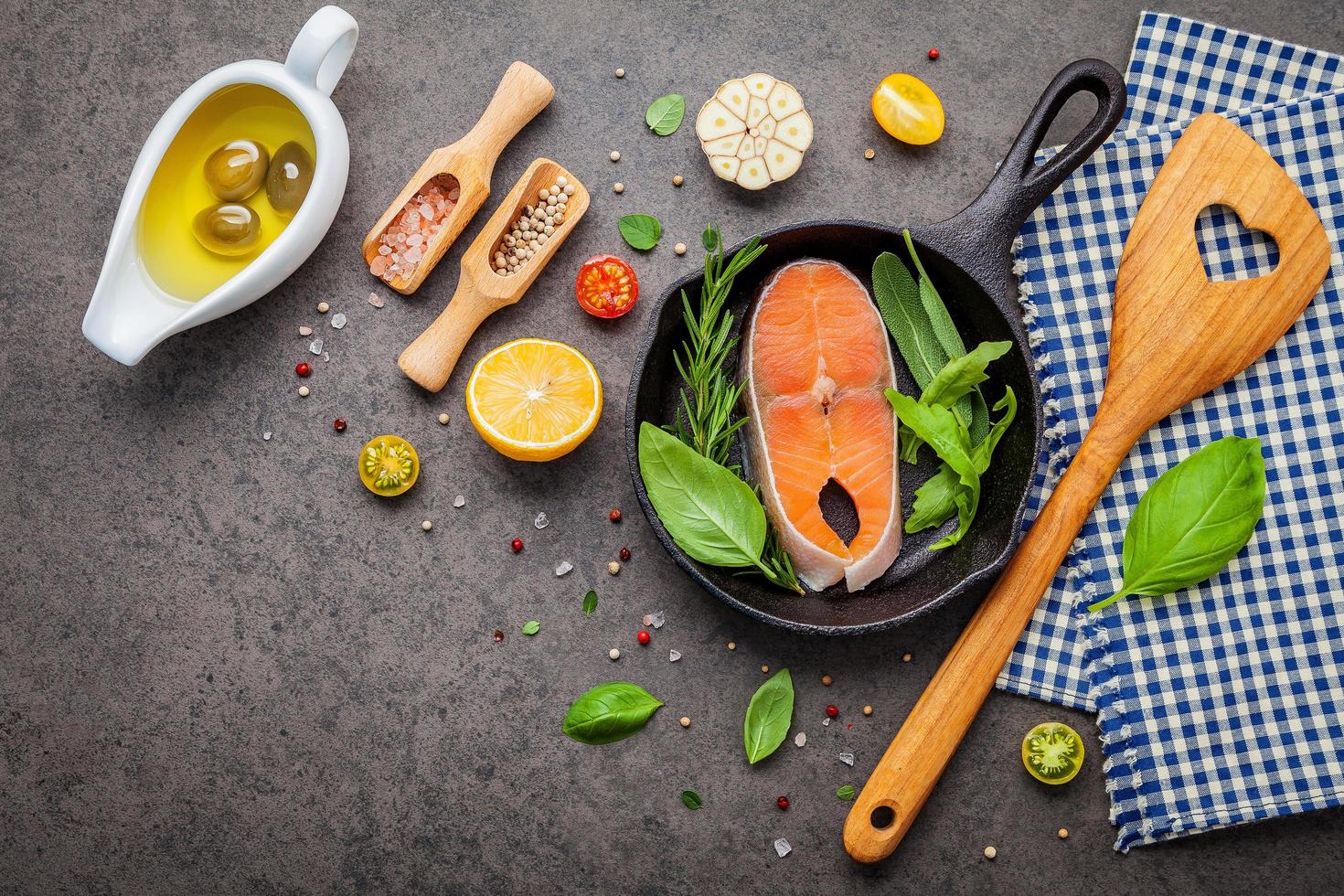
Cooking in a cast‑iron pan can add a small amount of iron to food, too.

Safe Ways to Increase Iron
Start with food. Choose a variety of iron‑rich items and pair them with vitamin C.
If you think you might still be low, talk to a health professional. Supplements are sometimes needed, but taking too much iron can cause stomach upset, constipation, nausea, or diarrhea.
The upper safe limit for most adults is 45 mg of iron per day from food and supplements combined, unless a doctor says otherwise.
Quick FAQ
- What is ironmaxxing? A trend that encourages eating more iron‑rich foods and pairing them for better absorption.
- Which foods have the most iron? Oysters, liver, beans, lentils, spinach, soy, seeds, nuts, fortified cereals, cocoa powder, and sun‑dried tomatoes.
- Why do women need more iron? Menstruation loses iron each month, so women of child‑bearing age need more.
- How can I absorb more iron? Pair iron foods with vitamin C, avoid coffee/tea at meals, and include a little animal protein.
- Can I have too much iron? Yes. Excess iron, especially from pills, can cause digestive problems. Stay below 45 mg per day unless advised otherwise.
Bottom Line
Ironmaxxing is a catchy name for a simple truth: iron is vital for oxygen transport, muscle power, and overall health. Eating a balanced mix of iron‑rich foods, using vitamin C helpers, and avoiding common blockers can keep your iron levels just right. If you’re unsure about your intake, a nutrition tracker or a quick chat with a dietitian can point you in the right direction.
