
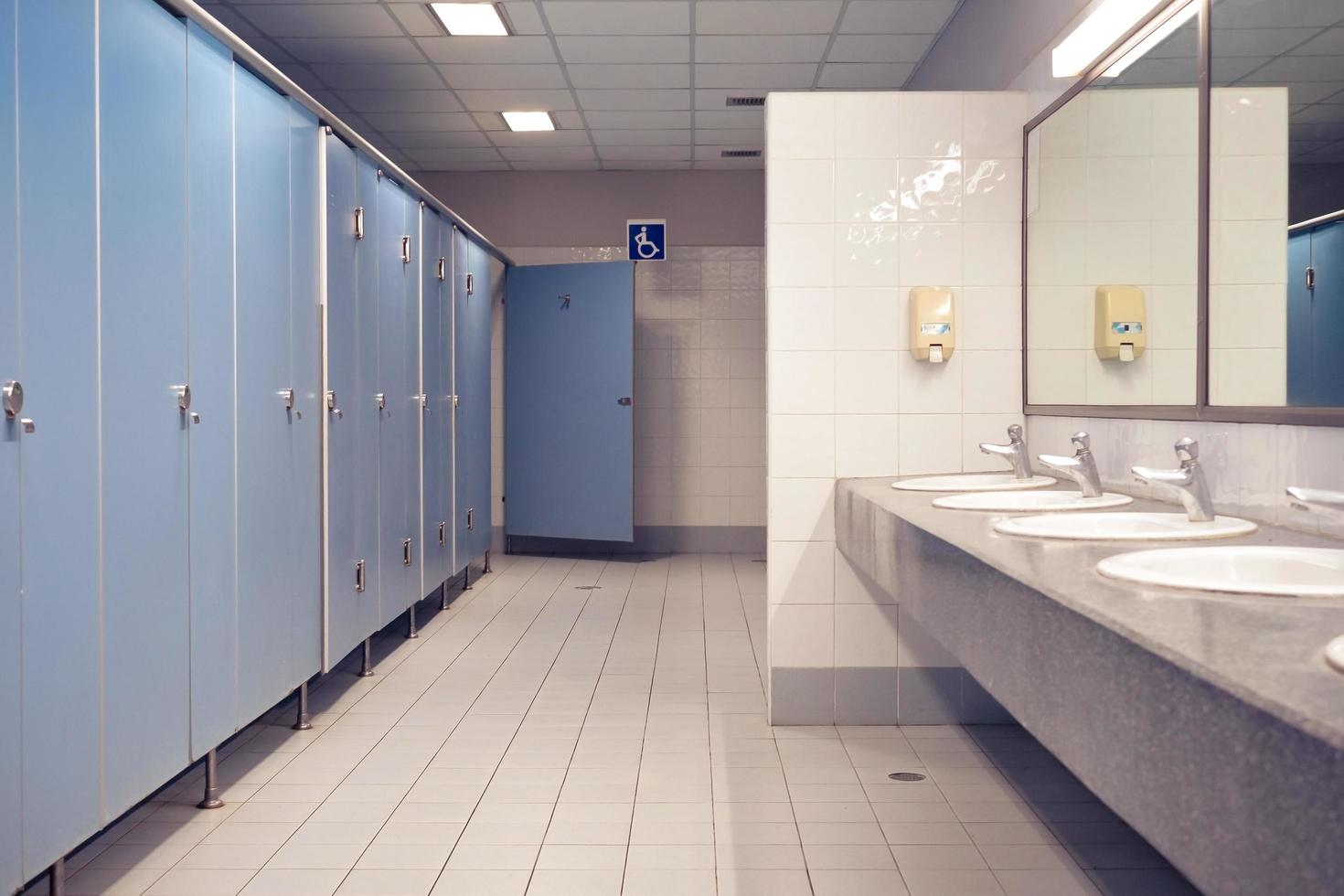
If you have a child who needs to go often, or if a medical condition makes bathroom trips frequent, you probably already know which public restrooms feel clean and which do not.
Sometimes you have no choice but to use a bathroom that looks dirty. You may wonder: is it safe to sit down, or could that make you sick?
What Lives Inside a Public Toilet?
An adult normally makes more than a litre of urine and over 100 g of stool each day. Along with waste, the body releases bacteria and viruses that end up in the toilet bowl.
People who have diarrhea can release even more germs. In busy bathrooms that are not cleaned often, these germs can build up quickly, creating what scientists call a “microbial soup.”
Typical Germs on Toilet Surfaces
Research shows many kinds of microbes can be found on seats and nearby areas, such as:
- Gut bacteria like E. coli, Klebsiella, and Enterococcus, plus viruses such as norovirus and rotavirus, which can cause stomach upset.
- Skin bacteria such as Staphylococcus aureus (including drug‑resistant strains), pseudomonas, and acinetobacter, which may lead to infections.
- Parasite eggs and tiny organisms called protozoa that can cause tummy pain.
There is also a thin film of mixed microbes, called biofilm, that can grow under the rim and on other surfaces.
Are Seats the Dirtiest Spot?
Surprisingly, seats often have fewer germs than other high‑touch spots like door handles, faucet knobs, and flush levers. Those parts are touched a lot, often with dirty hands.
In places that see hundreds of visitors each day, cleaning may happen only once or twice. Bad smells, dirty floors, and visible grime are signs of poor cleaning.
The Hidden Danger of Flushing
Flushing a toilet without a lid creates a “toilet plume.” Tiny droplets spray into the air and can travel up to two metres. Those droplets may contain bacteria and viruses.
Hand‑dryers can add to the problem. If your hands are not fully clean, the dryer can blow germs onto your skin, other people, and nearby surfaces.
How Germs Can Reach You
- Touch: Contact with a dirty seat or handle can move germs onto your skin. Cuts or scrapes make it easier for germs to enter.
- Face touching: Rubbing your eyes, mouth, or food with unwashed hands spreads germs.
- Inhalation: In small, crowded bathrooms, airborne droplets from a plume or dryer can be breathed in.
- Splash: Water that splashes up from the bowl can contain microbes.
Simple Steps to Stay Safe
- Place a disposable seat cover or a piece of toilet paper on the seat before you sit.
- If there is a lid, wipe it with an alcohol wipe and close it before flushing.
- Wash your hands with soap and water for at least 20 seconds.
- Carry a small bottle of hand sanitizer or antibacterial wipes for situations without soap.
- Prefer paper towels over hand‑dryers whenever possible.
- Clean your phone regularly and avoid using it while in the bathroom.
- Wipe down baby‑changing areas before and after use, then wash your hands.
Is Sitting on a Public Seat Safe?
For most healthy people, the risk from the seat itself is low. Using a cover or wiping the seat can give extra peace of mind.
The biggest danger comes from dirty hands, frequently touched surfaces, airborne droplets, and personal items like phones.
Good hygiene—thorough hand washing, using paper towels, and cleaning surfaces when you can—offers the strongest protection.
Avoid hovering over the bowl, as this can strain the pelvic floor and increase splashing.
