
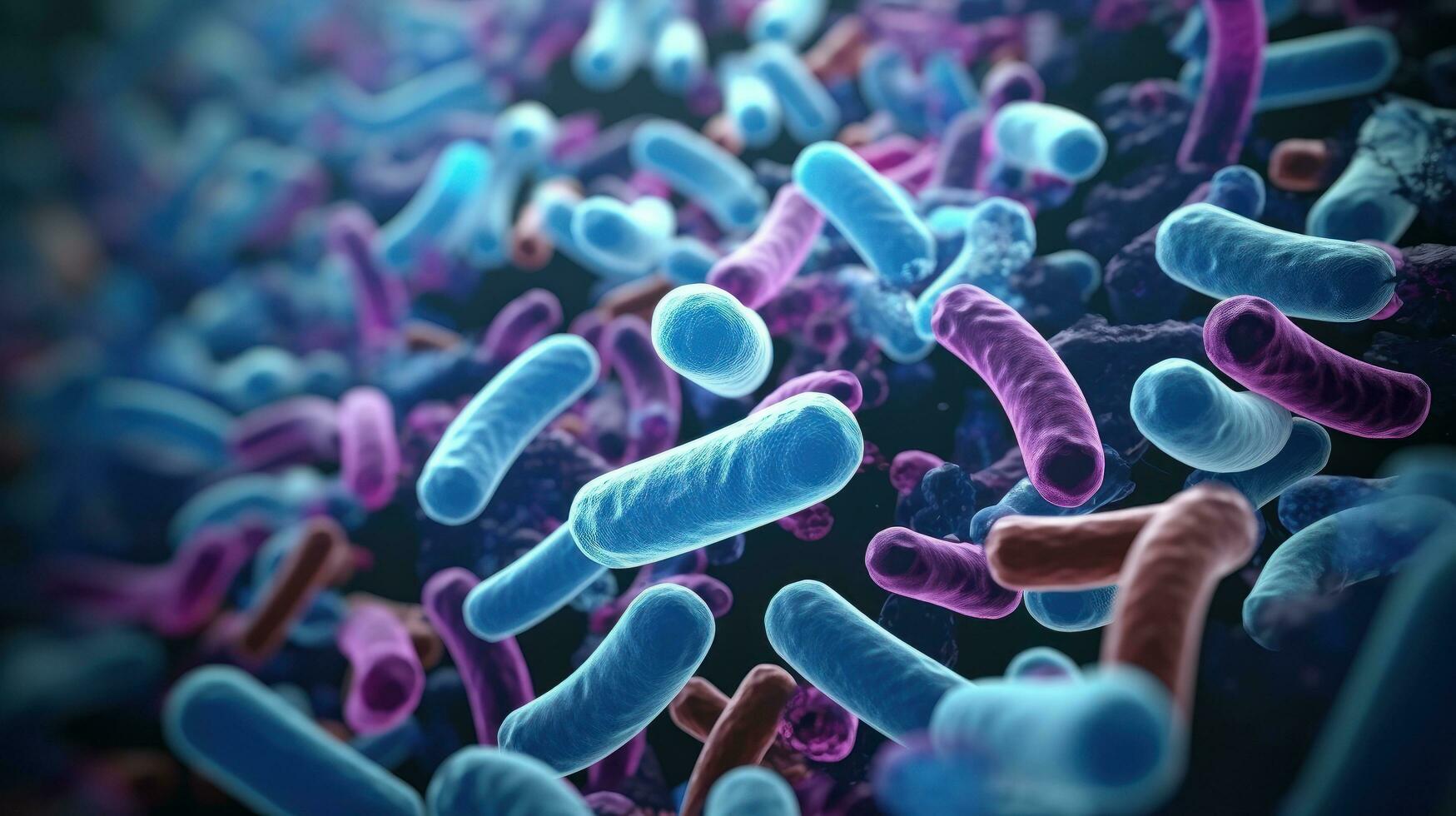
Scientists at Case Western Reserve University found that tiny organisms living in our stomach can affect two serious brain diseases. These gut microbes may make the brain sick.
The researchers saw a clear link between certain bacteria and damage in the brains of people with Amyotrophic Lateral Sclerosis (ALS) and Frontotemporal Dementia (FTD). Some bacterial sugars set off the immune system, which then attacks brain cells. The team also discovered ways to stop this harmful process.
How ALS and FTD Harm the Brain
FTD mainly damages the front and side parts of the brain. This can change a person’s personality, behavior, and speech. ALS attacks the nerves that control muscles, causing weakness that eventually leads to paralysis.
Scientists still don’t fully know why these diseases happen. They have looked at genetics, the environment, injuries, and diet as possible clues.
A Gut‑Brain Pathway That Explains Risk
The new study, published in *Cell Reports*, explains why some people get these illnesses while others do not. It shows a molecular route that connects gut activity to brain injury, especially in people with certain gene changes.
"Bad gut bacteria make a sugary substance called inflammatory glycogen," said Aaron Burberry, an assistant professor of pathology. "When the immune system sees this sugar, it attacks the brain."
Seventy percent of the 23 patients with ALS or FTD had high levels of this harmful sugar, compared with only about one‑third of healthy volunteers.
New Treatment Ideas and Hope
Finding the sugary culprit gives doctors new targets for medicine. It also points to biomarkers that could help doctors spot patients who might benefit from gut‑focused therapies.
In lab experiments, researchers lowered the amount of the bad sugar and saw better brain health and longer lives in mice.
Why Some Gene Carriers Get Sick
The discovery matters most for people with the C9ORF72 mutation, the most common genetic cause of ALS and FTD. Not everyone with this mutation becomes ill, and the study suggests gut bacteria may be the deciding factor.
Special Lab Methods Made It Possible
The breakthrough relied on germ‑free mice—animals raised in a completely sterile environment with no microbes. This allowed scientists to see exactly how specific bacteria affect disease.
Fabio Cominelli, a distinguished professor, leads the Digestive Health Research Institute, which uses a unique "cage‑in‑cage" system to keep mice sterile while studying many animals at once.
What Comes Next?
Next, the team plans larger studies to compare gut microbes in patients before and after they develop ALS or FTD. They also hope to start clinical trials within a year to test whether breaking down the harmful sugar can slow disease progression.