
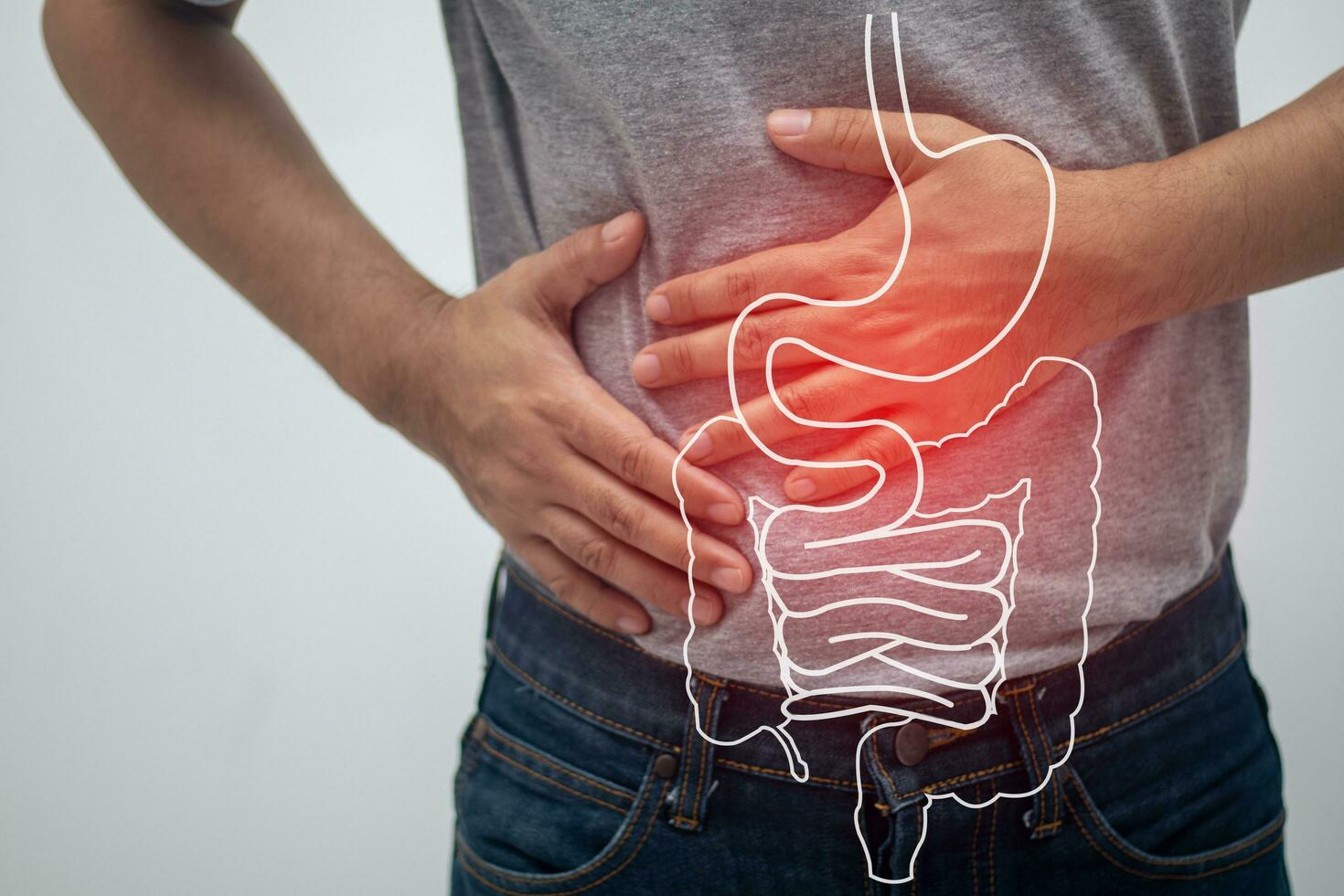
What Is Intestinal Dysbiosis?
Intestinal dysbiosis means the good bacteria in your gut are outnumbered by bad ones. It can happen because of too little fruit and veg, too much meat, not enough fiber, stress, antibiotics, or an unhealthy weight.
When the balance tips, problems such as bacterial overgrowth, yeast infections, auto‑immune issues, or even cancer can appear.
Common Types of Dysbiosis
- SIBO – too many bacteria in the small intestine.
- IMO – excess methane‑producing microbes in the small intestine.
- SIFO – too many fungi in the small intestine.
- LIBO – overgrowth in the large intestine.
- Candida – excess yeast in the gut.
- Parasitosis – intestinal parasites.
Best Foods to Calm Dysbiosis
Foods to Include
- Raw salads and cooked veggies – think lettuce, spinach, carrots, and pureed soups.
- Sprouts and seaweed.
- Gluten‑free whole grains – brown rice, amaranth, buckwheat, millet, quinoa.
- White and oily fish.
- Lean turkey or chicken.
- Nuts and seeds.
- Probiotic foods – kefir, yogurt, tempeh, sauerkraut, fermented cabbage.
- Prebiotic foods – olive oil, onion, asparagus, leek, spinach, beet, grated apple, goat cheese.
- Natural stevia as a sweetener.
Foods to Avoid
- Refined sugar and hidden sugars (soft drinks, boxed cereals, ketchup, sauces).
- Yeast‑based products (bread, pizza, pastries, cookies, brewer’s yeast).
- Alcohol, coffee, energy drinks.
- Cheese and most dairy.
- Processed meats.
- Mushrooms.
Kid‑Friendly Recipes for a Happy Gut
1. Stuffed Red Peppers with Chickpeas
- 1 red pepper, halved and seeded
- 1 small can cooked chickpeas
- 3 organic black olives, sliced
- 1 clove garlic, minced (remove the core)
Pre‑heat the oven and place the pepper halves on a tray. Roast for 20 minutes. Mix chickpeas, olives, and garlic, then fill the peppers. Roast another 20 minutes and serve.
2. Grilled Chicken Breast with Homemade Sauerkraut

- 1 small white cabbage
- Sea‑salt (2 % of the cabbage weight)
- Olive oil for the pan
Shred the cabbage, massage it with the measured salt, and let it sit for 30 minutes. Pack it into a clean glass jar and let it ferment in a dark spot for 7 days. Meanwhile, grill a chicken breast with a splash of olive oil. Serve the chicken next to a spoonful of fresh sauerkraut.
3. Baked Cod with Shrimp and Leeks
- 4 cod fillets
- 3 leeks, sliced
- 300 g shrimp, peeled
- Olive oil, salt, white pepper, a pinch of cayenne
- Fresh sprouts for garnish
Pre‑heat the oven to 180 °C. Place cod on a tray, drizzle with oil, and season. In a pan, sauté leeks until soft, then add shrimp and cayenne for a few minutes. On a plate, layer leeks, a cod piece, shrimp, and sprouts.
4. Fresh Bean and Green Leaf Salad
- 200 g cooked organic beans
- 5 cm kombu seaweed, re‑hydrated and sliced
- 12 cherry tomatoes, halved
- Mixed lettuce, arugula, or dandelion greens
- Umeboshi vinegar (a few drops)
- Olive oil
- Nutritional yeast
Combine all ingredients in a bowl, drizzle with olive oil and a splash of umeboshi vinegar, sprinkle nutritional yeast, chill for 20 minutes, then serve.
5. Kefir Smoothie with Fruit

- 1 cup plain kefir
- ½ banana
- 1 handful strawberries
- 1 handful blueberries
- 1 tbsp chia seeds
- Stevia to taste
Wash the fruit, chop it, and blend with kefir, chia seeds, and a touch of stevia. Enjoy a cool, gut‑friendly drink.