
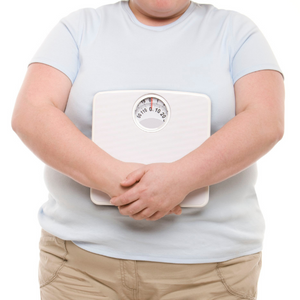
Central obesity describes the buildup of excess fat around the belly area. Unlike general overweight, this type of fat is closely linked to serious conditions such as heart disease, type 2 diabetes, and certain cancers. Because the risk rises sharply when abdominal fat accumulates, health professionals often turn to a single, easy measurement—waist circumference—to gauge danger.
Why waist size matters
The waist measurement provides a quick snapshot of visceral fat, the deep‑lying tissue that surrounds internal organs. Research shows that people with a waist larger than 40 inches (102 cm) for men or 35 inches (88 cm) for women face a markedly higher chance of developing chronic illnesses, even if their overall body‑mass index (BMI) appears normal. In short, a bigger waist can signal hidden health threats before they become apparent.
Step‑by‑step guide to measuring
- Stand upright and breathe out naturally.
- Locate the top of your hip bone (the iliac crest) and the bottom of your rib cage.
- Wrap a flexible measuring tape snugly around your abdomen, positioning it midway between those two landmarks—generally at the level of the belly button.
- Ensure the tape lies flat against the skin without compressing it.
- Read the measurement after exhaling completely; record the number in centimeters or inches.
Repeat the process once or twice to confirm consistency. If you notice a steady increase over weeks or months, it may be time to reassess diet, activity level, and consult a healthcare provider.
Interpreting the results
Typical risk thresholds are:
- Men: waist ≥ 40 inches (102 cm)
- Women: waist ≥ 35 inches (88 cm)
Values below these limits suggest a lower immediate risk, but maintaining a healthy lifestyle remains essential for long‑term wellness.
Tracking waist size over time can be a powerful motivator. Pair regular measurements with balanced nutrition, regular aerobic exercise, and strength training to reduce abdominal fat and improve overall health.
