
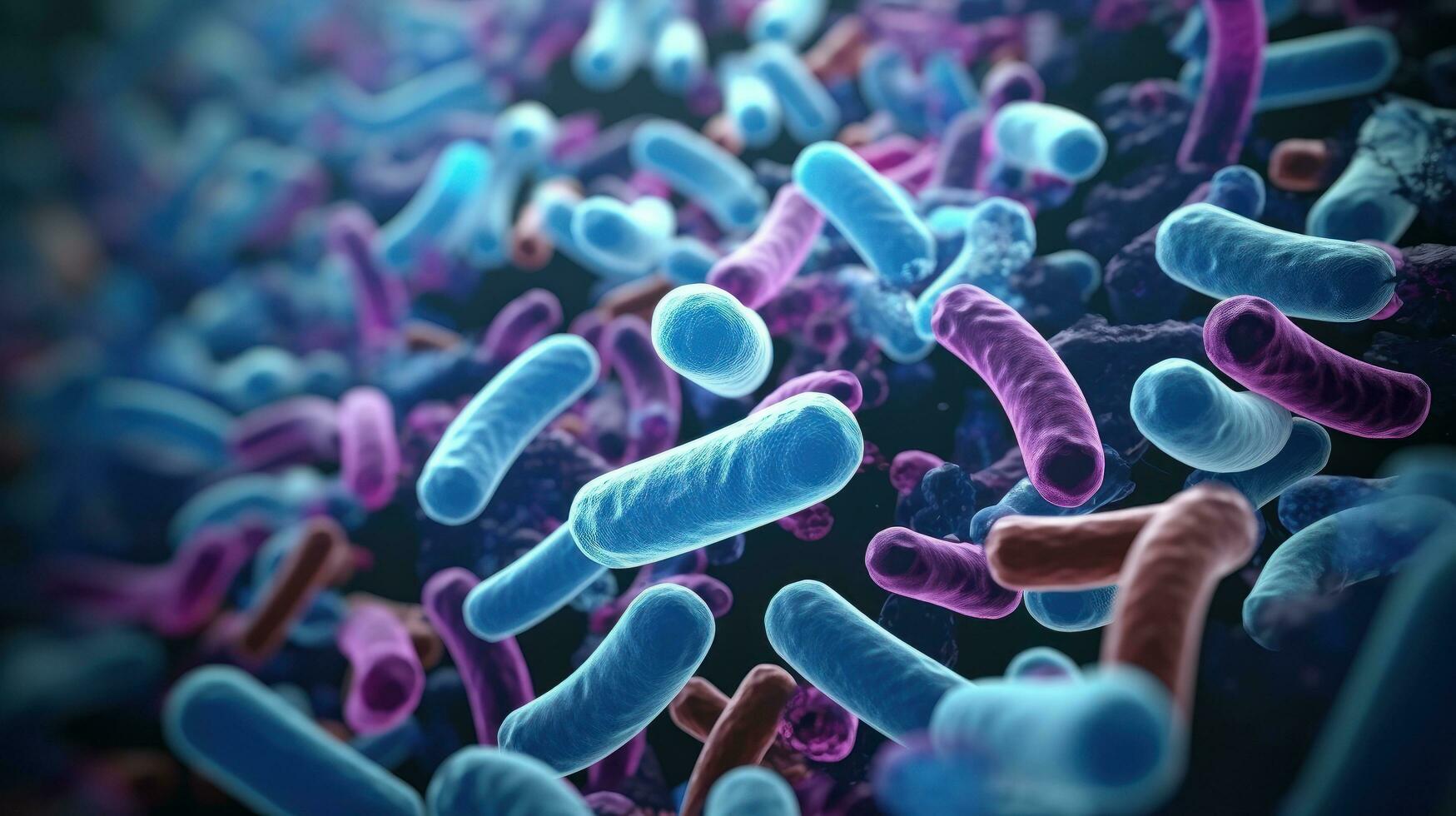
The community of microorganisms living in our intestines—often called the gut microbiome—acts like a bustling city, constantly exchanging chemicals with each other and with the host. For such a dynamic system to work, the resident microbes need sophisticated ways to detect the nutrients and signals that surround them.
What chemical cues matter most?
Most of what we know about bacterial sensing comes from studies of pathogenic models. In contrast, the harmless, health‑promoting residents have received far less attention. A multinational team led by Victor Sourjik set out to fill that gap by examining the sensory repertoire of Clostridia, a prominent group of motile gut bacteria linked to digestive wellness.
A surprising breadth of detection
Screening hundreds of receptor proteins revealed that gut microbes can recognize an unexpectedly wide spectrum of metabolic by‑products—including fragments of carbohydrates, lipids, proteins, nucleic acids, and various amines. Different sensor families showed clear preferences, meaning the bacteria are not reacting randomly but are finely tuned to particular chemical classes.
Lactate and formate emerge as favorites
Combining laboratory assays with bioinformatic predictions, the researchers pinpointed several ligands that bind to movement‑controlling chemoreceptors. Among all tested compounds, lactic acid (lactate) and formic acid (formate) were the most frequent activators, suggesting that these small molecules serve as prime energy sources driving bacterial chemotaxis.
Cross‑feeding fuels community stability
Some members of the gut community can produce lactate and formate themselves, enabling a cooperative “cross‑feeding” network where one species supplies metabolites that another consumes. This metabolic handshake helps keep the ecosystem balanced and resilient.
New sensory families discovered
The systematic search also uncovered several previously unknown sensor domains—each specialized for detecting lactate, dicarboxylic acids, the RNA building block uracil, and short‑chain fatty acids. The team solved the crystal structure of a dual‑specificity sensor that binds both uracil and acetate, shedding light on how these molecules are captured at the molecular level.
Evolutionary flexibility
Phylogenetic analysis showed that ligand specificity can shift relatively easily over evolutionary time, explaining how gut bacteria rapidly adapt their sensing abilities to changing dietary and environmental conditions.
"Our work dramatically expands the catalog of sensory tools used by beneficial gut microbes," says Sourjik. "It also provides a blueprint for exploring chemical communication in other microbial habitats."