
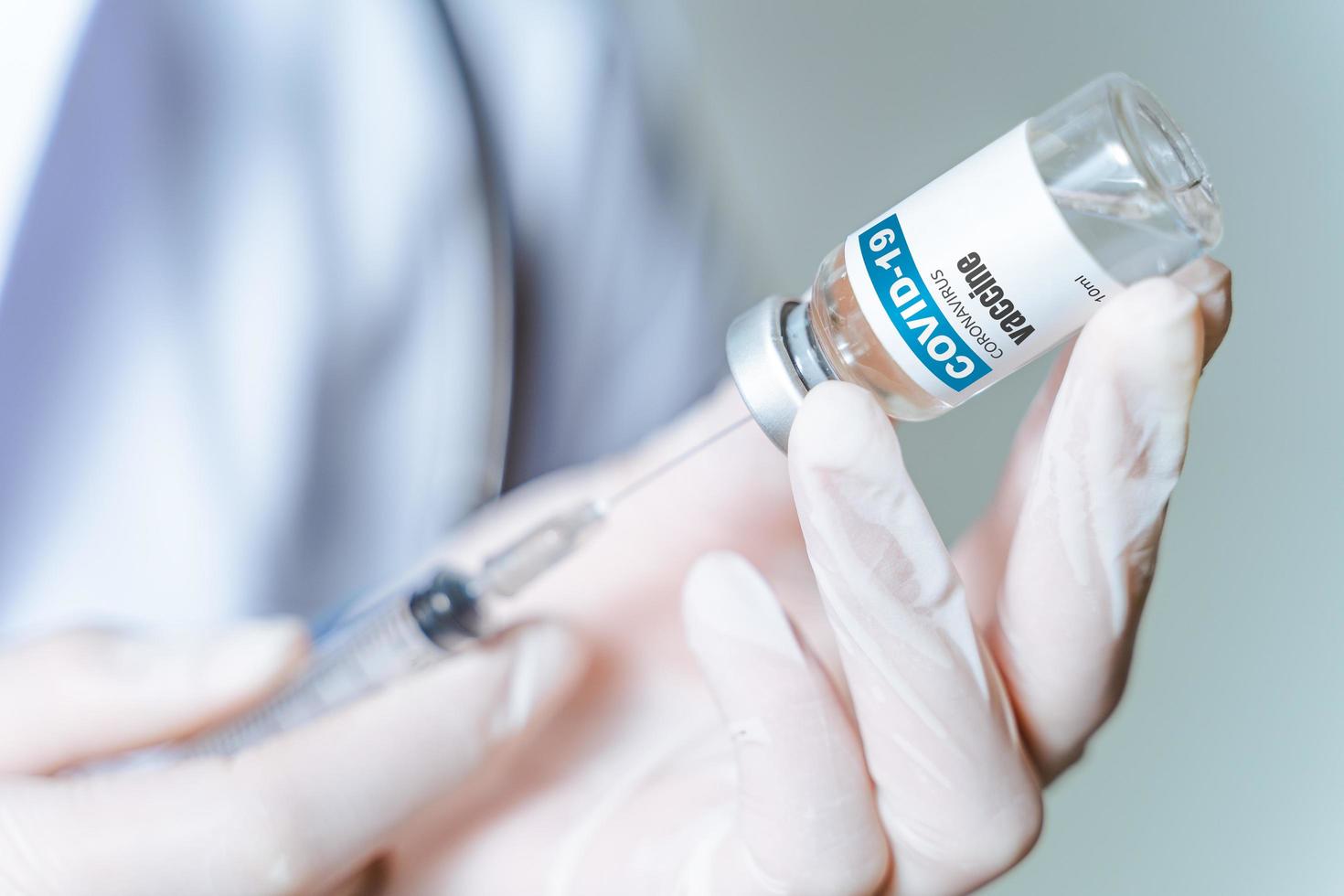
Recent findings presented at the 2026 Society for Maternal‑Fetal Medicine conference reveal that receiving an mRNA COVID‑19 vaccine shortly before conception or at any stage of pregnancy does not raise the risk of autism or other developmental disorders in offspring.
In the United States, both mRNA vaccines and protein‑subunit COVID‑19 vaccines are endorsed for use throughout pregnancy, offering protection to mothers and their babies.
Study Overview
Researchers from the Maternal‑Fetal Medicine Units Network followed 434 toddlers aged 18‑30 months. Half of the children were born to mothers who had received at least one dose of an mRNA vaccine during pregnancy or within 30 days before conception; the other half were born to unvaccinated mothers.
The prospective, multi‑center study, conducted from May 2024 to March 2025, excluded pre‑term births before 37 weeks, multiple gestations, and major congenital anomalies to ensure comparable groups.
How Development Was Assessed
When the children reached 18‑30 months, caregivers completed the Ages and Stages Questionnaire (Version 3), which evaluates communication, gross and fine motor skills, problem‑solving, and social interaction. Additional tools included the Child Behavior Checklist, Modified Checklist for Autism in Toddlers, and the Early Childhood Behavior Questionnaire.
Lead investigators reported no significant differences in any developmental domain between the vaccine‑exposed and unexposed groups, underscoring the safety of maternal COVID‑19 vaccination for early child neurodevelopment.
The abstract titled “Association between SARS‑CoV‑2 vaccine in pregnancy and child neurodevelopment at 18‑30 months” is slated for publication in the February 2026 issue of Pregnancy, the peer‑reviewed journal of the Society for Maternal‑Fetal Medicine.